Image

Festive season is one of the busiest periods of the year for businesses across India. Demand for groceries, FMCG products, e-commerce orders, agricultural produce, furniture, consumer goods and event supplies can rise as households and businesses prepare for celebrations.
For businesses involved in distribution and delivery, this creates a familiar challenge: more orders, tighter delivery timelines and greater demand for transportation capacity.
It also creates an important business question:
Is the festive season the right time to buy a commercial vehicle?
For some businesses, the answer can be yes. If you already have sufficient demand, need additional transportation capacity or are looking to expand your delivery operations, purchasing a commercial vehicle before the festive rush can help you prepare for increased activity.
However, the decision should not be based on festive demand alone. A commercial vehicle is a long-term business asset, so the right purchase should make sense both during and after the season.
Festive demand affects several parts of India's supply chain.
Retailers stock additional inventory. E-commerce businesses handle more orders. Distributors make more frequent deliveries. Restaurants and caterers require additional supplies. Farmers and traders may move larger quantities of agricultural produce.
As a result, businesses may need to:
Increase the number of daily deliveries
Replenish inventory more frequently
Serve customers across a larger area
Transport higher volumes of goods
Reduce dependence on hired transportation
This is where a small commercial vehicle can become an important business asset.
Instead of waiting for transport availability, a business with its own vehicle can have greater control over when and where goods are moved.
There is no universal "best time" to purchase a commercial vehicle.
The better question is:
Does buying now solve a real business requirement?
Buying before the festive season can make sense when:
If you have existing customers, orders or delivery commitments that your current fleet cannot handle, additional vehicle capacity may help you serve that demand.
If you regularly turn down deliveries because you do not have enough vehicles, adding an SCV may allow you to take on additional work.
Festive demand can provide an opportunity to acquire initial customers and test a business model. However, you should have a plan for generating revenue after the season.
A new vehicle can help extend your delivery area and reach customers in nearby markets.
The important point is to buy because the business requires the vehicle, not simply because it is the festive season.
The right vehicle depends on your business application.
Before comparing models, understand five things:
FMCG, fruits and vegetables, construction materials, furniture and e-commerce parcels have different transportation requirements.
Estimate your typical payload rather than selecting a vehicle based only on occasional peak loads.
A vehicle used for short urban deliveries may have different requirements from one operating on longer inter-city routes.
High-frequency delivery businesses should consider how quickly the vehicle can complete loading, unloading and multiple trips.
Calculate fuel or energy costs, maintenance, insurance, driver expenses, tolls, parking and financing costs.
Your vehicle should fit both your business requirement and your business economics.
The choice between the Tata Ace and Tata Intra should be based on your application rather than simply the vehicle's price.
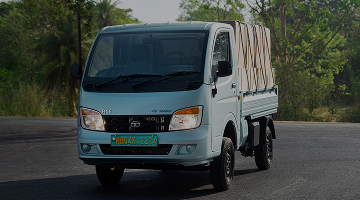
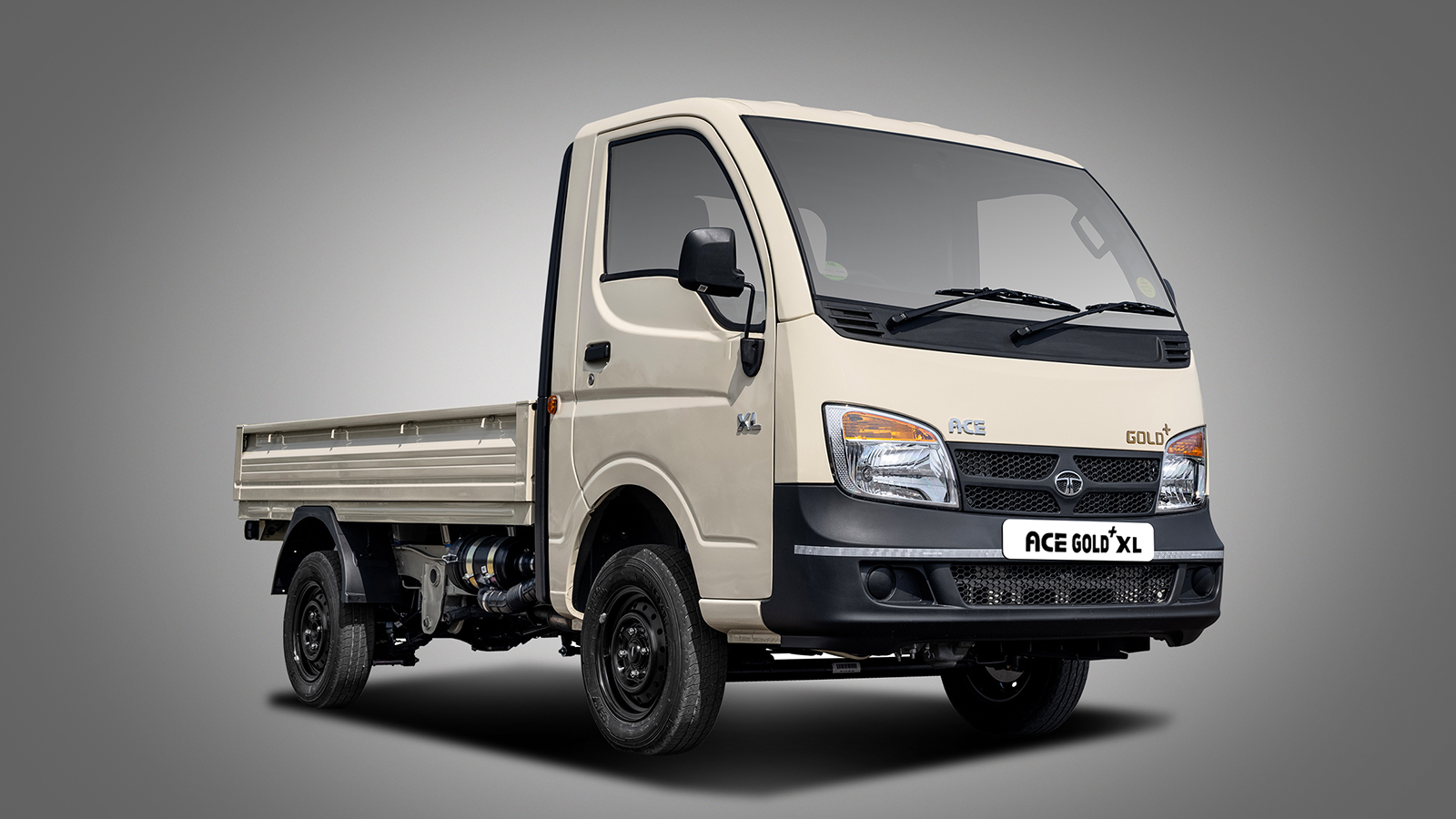
The Tata Ace range is designed for a wide variety of small-load and last-mile transportation applications.
It can be considered for businesses involved in:
E-commerce deliveries
Courier services
FMCG distribution
Retail deliveries
Fruits and vegetables
Food and beverage transportation
Local goods movement
If your business involves frequent deliveries within cities or nearby areas, a suitable Tata Ace variant can be evaluated based on your payload and route requirements.
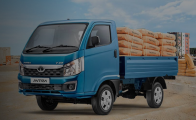
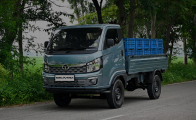
The Tata Intra range offers pickup options designed for businesses with higher payload requirements.
It can be considered for:
Agricultural produce
Construction materials
FMCG distribution
Industrial goods
Retail distribution
Regional goods transportation
If your business regularly handles heavier loads or requires a higher-capacity pickup, the Tata Intra range may be worth evaluating.
Requirement | Tata Ace | Tata Intra |
| Typical use | Last-mile and local transportation | Higher-payload goods transportation |
| Best suited for | E-commerce, retail, FMCG, food, produce | Agriculture, construction, industrial and distribution applications |
| Operating environment | Primarily local and urban applications | Local and regional transportation |
| Selection priority | Payload, cargo space and route | Payload, cargo dimensions and route |
| Ideal approach | Choose the variant for your specific application | Choose the model based on your load and operating requirements |
The specifications and capabilities vary by individual variant, so always compare the specific model against your requirements before purchasing.
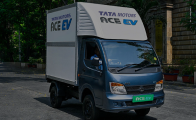
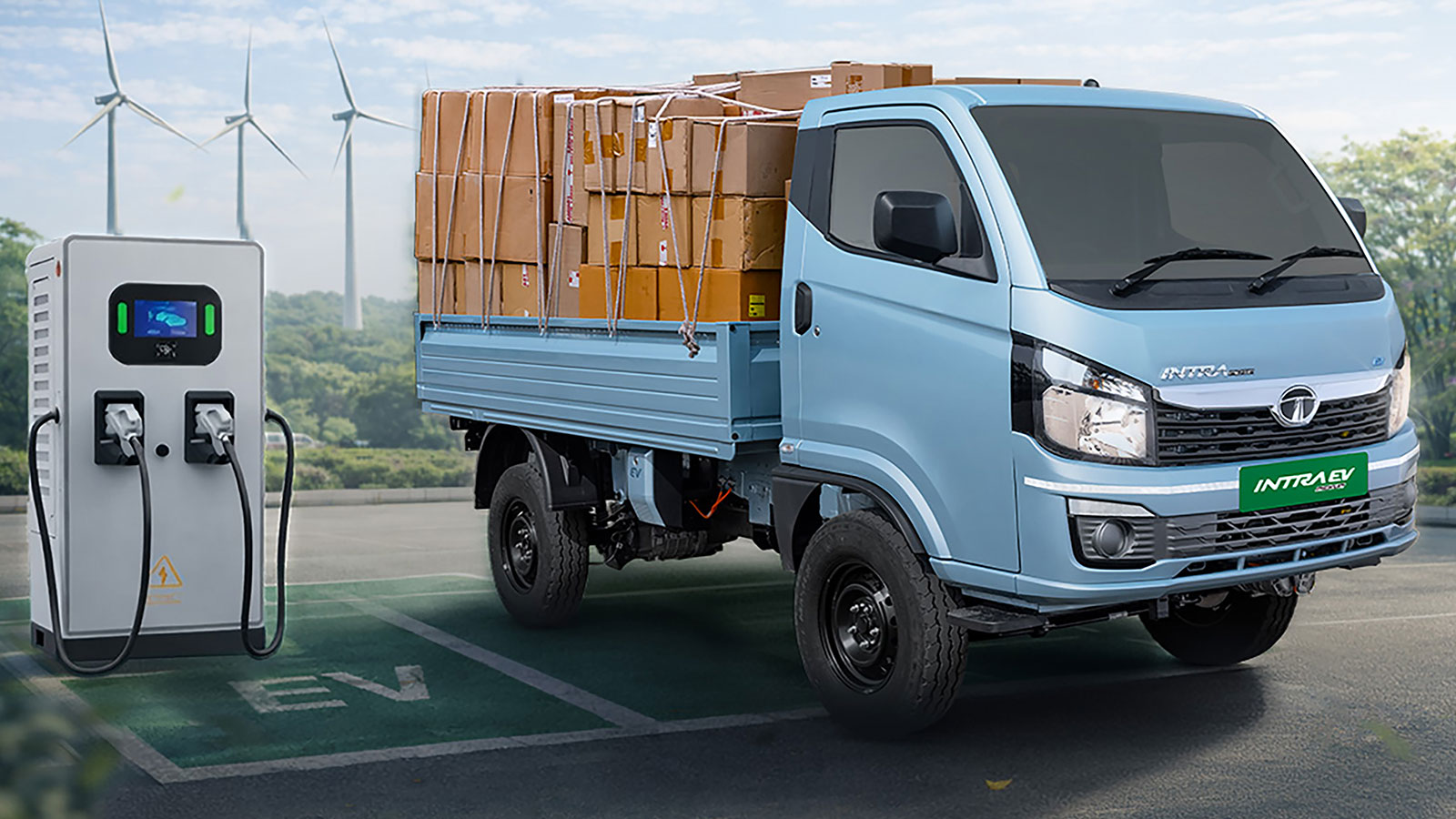
Electric commercial vehicles can be worth considering, particularly for businesses with predictable urban delivery routes.
But an EV should be evaluated based on your actual operating pattern rather than the festive season alone.
Consider:
Daily kilometres
Number of trips
Typical payload
Charging availability
Charging time
Route conditions
Daily operating hours
Energy costs
Expected utilisation
For example, if your vehicle operates on a predictable city route and returns to a location where charging is available, an electric SCV could be a practical option.
On the other hand, businesses operating unpredictable routes or covering longer distances should carefully compare available powertrain options against their operational requirements.
The key is simple:
Choose the powertrain that fits your route, not the season.
A commercial vehicle can create additional earning potential when it enables you to take on more work.
For a transportation entrepreneur, potential earnings can come from:
More trips × more customers × better vehicle utilisation
For an existing business, the benefit may come from reducing dependence on external transportation and fulfilling more orders directly.
For example, a retailer with limited delivery capacity may be able to accept additional orders once transportation capacity increases.
Similarly, an entrepreneur can use an SCV to serve several customers on a planned local route.
However, higher revenue does not automatically mean higher profit.
Always calculate the additional costs associated with the extra business.
The purchase price is only one part of commercial vehicle ownership.
If you are financing your vehicle, consider:
Down payment
Loan amount
Interest rate
Loan tenure
Monthly EMI
Processing and other applicable charges
Total repayment amount
Then compare your expected monthly business surplus with the EMI.
A simple calculation is:
Monthly business surplus = Revenue – operating expenses
Your operating expenses may include fuel or energy, maintenance, insurance, driver wages, tolls and parking.
The EMI should be considered alongside these costs rather than separately.
Festive periods can sometimes coincide with manufacturer or dealer campaigns, financing schemes or other purchase benefits.
However, offers and their terms can vary by model, location, dealership, finance partner and time period.
Therefore, don't choose a vehicle simply because an offer appears attractive.
First identify the right vehicle for your business. Then compare the total purchase and ownership cost, including any applicable offer or financing benefit.
A lower upfront price is not necessarily the same as a lower overall cost.
Before booking your commercial vehicle, ask yourself:
Ideally, you should have a reasonable understanding of where the vehicle's work will come from.
Your business should be able to support the monthly repayment without putting excessive pressure on working capital.
Don't use all available cash for the down payment. Your business will still need working capital for everyday expenses.
Choose according to your actual payload and cargo requirements.
Identify the customers, routes and applications that can keep the vehicle productive throughout the year.
Festive demand can be attractive, but it is temporary.
If you buy a commercial vehicle based entirely on a few weeks of high demand, you may struggle to maintain utilisation later.
Instead, use the festive season as an opportunity to build a sustainable business.
A vehicle used for festive retail deliveries can later support regular e-commerce distribution.
A vehicle used for agricultural produce can serve wholesalers and retailers throughout the year.
A vehicle used for event logistics can support weddings, exhibitions and corporate events.
The best purchase is one where festive demand accelerates a business that already has long-term potential.
Whether you are buying your first SCV or expanding an existing fleet, the festive season can be an opportunity to reassess your transportation needs.
The right commercial vehicle can help you handle higher demand, serve more customers and explore new business opportunities.
But the decision should always begin with your business:
Understand your load. Calculate your routes. Estimate your earnings. Check your finances. Then choose the vehicle.
The Tata Ace and Tata Intra offer options for different business applications and transportation requirements. Evaluate the specific variant, payload, route and powertrain that best match your operations.