Image

The festive season is a busy time for businesses across India. Retailers stock up, e-commerce orders increase, distributors make more trips and local businesses move larger volumes of goods. For a business that depends on transportation, this can mean one thing: more kilometres on the road and higher running costs.
This is also a good time to reassess your commercial vehicle.
If you are planning to add a vehicle to your fleet or replace an existing one, an electric commercial vehicle can be worth considering. With lower energy costs and potentially lower maintenance requirements, an EV can help businesses manage operating expenses, particularly when the vehicle is used regularly.
Tata Motors offers electric commercial vehicles such as the Tata Ace EV, Tata Ace Pro EV and Tata Intra EV, giving businesses options across different applications.
But how much can you actually save? The answer depends on your daily running, electricity and fuel costs, payload, route and vehicle utilisation.
The biggest potential savings can come from two areas: energy and maintenance.
An electric vehicle uses electricity instead of conventional fuel. The cost of electricity consumed per kilometre can be lower than the equivalent fuel cost, depending on the vehicle, local fuel and electricity prices, driving conditions and charging arrangement.
For a commercial vehicle that travels several thousand kilometres every month, even a small saving per kilometre can add up.
For example, consider a vehicle travelling 3,500 km a month.
If the existing vehicle's fuel cost is ₹6 per kilometre:
3,500 × ₹6 = ₹21,000 per month
If an electric vehicle's energy cost works out to ₹2 per kilometre:
3,500 × ₹2 = ₹7,000 per month
The illustrative difference would be ₹14,000 per month, or ₹1.68 lakh annually.
These figures are only an example. Actual savings will vary based on the vehicle, usage, fuel and electricity prices, payload, traffic and charging conditions.
Electric powertrains have fewer moving components than conventional internal-combustion powertrains. This can potentially reduce certain maintenance requirements.
However, EVs still require scheduled servicing, tyres, inspections and other maintenance. Therefore, compare the manufacturer's recommended maintenance schedule and costs before making a purchase decision.
Festive demand can increase vehicle utilisation.
A business that normally makes five deliveries a day may need to make eight or ten during a peak period. An e-commerce operator may handle significantly more orders, while a distributor may need additional trips to replenish retail inventory.
Higher utilisation means operating costs become even more important.
If you are already planning to purchase a commercial vehicle, the festive season can therefore be an opportunity to evaluate whether an electric vehicle fits your business.
The key is not to buy simply because demand is temporarily high. Instead, ask:
Will this vehicle remain productive after the festive season?
If the answer is yes, the potential savings can continue throughout the year.
You can make a basic comparison using your own operating data.
Take your average daily distance and multiply it by the number of working days.
150 km × 26 days = 3,900 km/month
Multiply your average fuel cost per kilometre by your monthly distance.
Use the specific EV's efficiency and your electricity tariff to estimate the cost per kilometre.
The difference gives you an estimate of your potential monthly energy-cost saving.
You can then add potential maintenance differences and compare the overall ownership economics.
This approach is more useful than simply comparing the purchase prices of two vehicles.
An EV can be particularly worth evaluating if your business has:
Regular city routes make it easier to plan charging and daily operations.
The more kilometres you cover, the greater the potential impact of per-kilometre savings.
Before buying an EV, make sure you have a practical charging arrangement that fits your operating schedule.
Businesses operating within cities and nearby areas may find an electric commercial vehicle suitable, depending on the specific model and route.
However, businesses with unpredictable long-distance routes or limited access to charging should carefully assess whether an EV meets their operational requirements.
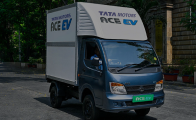
The Tata Ace EV can be considered by businesses looking to electrify local and last-mile goods transportation.
Potential applications include:
E-commerce
FMCG distribution
Retail deliveries
Local goods transportation
Food and beverage distribution
Fruits and vegetables
Businesses should evaluate the specific variant based on its payload, range, route and operating requirements.
The Tata Ace Pro EV offers another electric option for entrepreneurs and businesses looking at compact goods transportation.
It can be evaluated for applications where regular local deliveries and efficient vehicle utilisation are important.
Before making the switch, consider your daily kilometres, typical payload, charging access and expected utilisation.
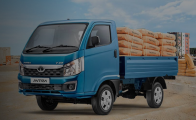
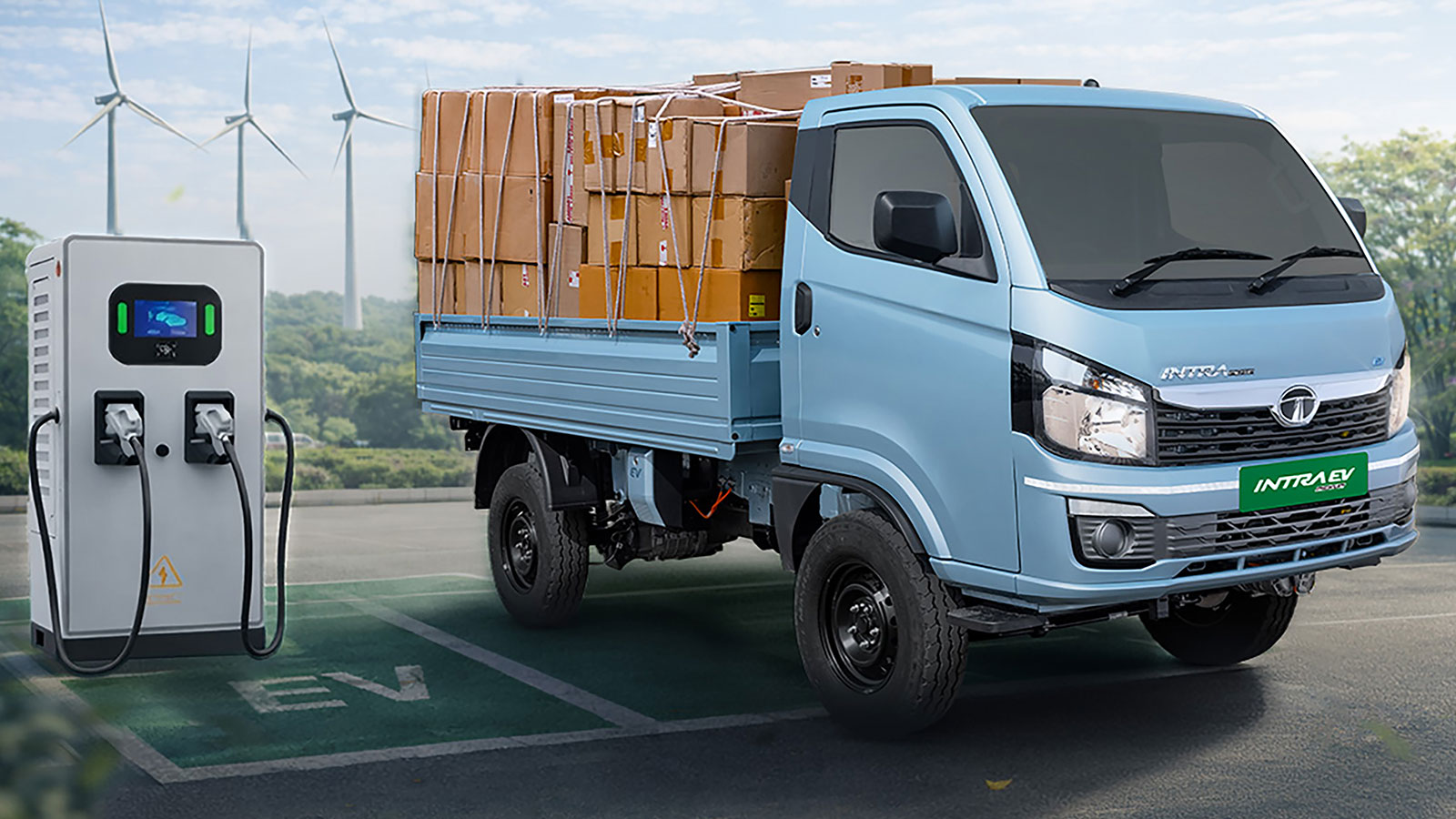
Businesses that require a pickup format and higher payload capability can consider the Tata Intra EV.
It can be evaluated for applications such as goods distribution, agricultural produce, retail and other transportation requirements, depending on the specific variant.
The decision should be based on the load you typically carry rather than occasional peak requirements.
Energy savings are only one part of the financial equation.
If you are financing your electric commercial vehicle, consider:
Down payment
Loan amount
Interest rate
Loan tenure
Monthly EMI
Insurance
Maintenance
Charging costs
Other operating expenses
A useful calculation is:
Monthly operating savings, additional monthly ownership costs = potential net benefit
You can also estimate the payback period if the EV has a higher upfront cost:
Additional upfront cost ÷ estimated monthly savings = approximate payback period
Actual results will depend on your vehicle, usage and financing terms.
An electric commercial vehicle should not be viewed simply as a festive-season purchase.
If your business operates predictable routes, covers significant daily kilometres and has suitable charging access, switching to an EV can potentially reduce running costs beyond the festive period.
The Tata Ace EV, Tata Ace Pro EV and Tata Intra EV offer options for businesses with different transportation requirements.
Before making the decision, understand your daily kilometres, payload, routes, charging arrangements and total cost of ownership.
The festive season may bring more deliveries. The right electric commercial vehicle can help you handle that demand while working towards lower operating costs throughout the year.