Image
Every Independence Day, we celebrate the freedom to dream, choose and build a future of our own.
But what does independence look like when you are trying to build a livelihood?
For many Indians, it can mean moving away from the uncertainty of a fixed income and taking charge of their own business. It can mean turning a vehicle into an earning asset, finding customers, making your own schedule and gradually building something that belongs to you.
That is where a mini truck for business can become more than just a means of transport.
It can become the first step towards entrepreneurship.
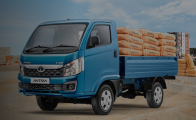
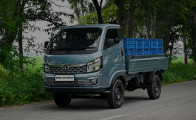
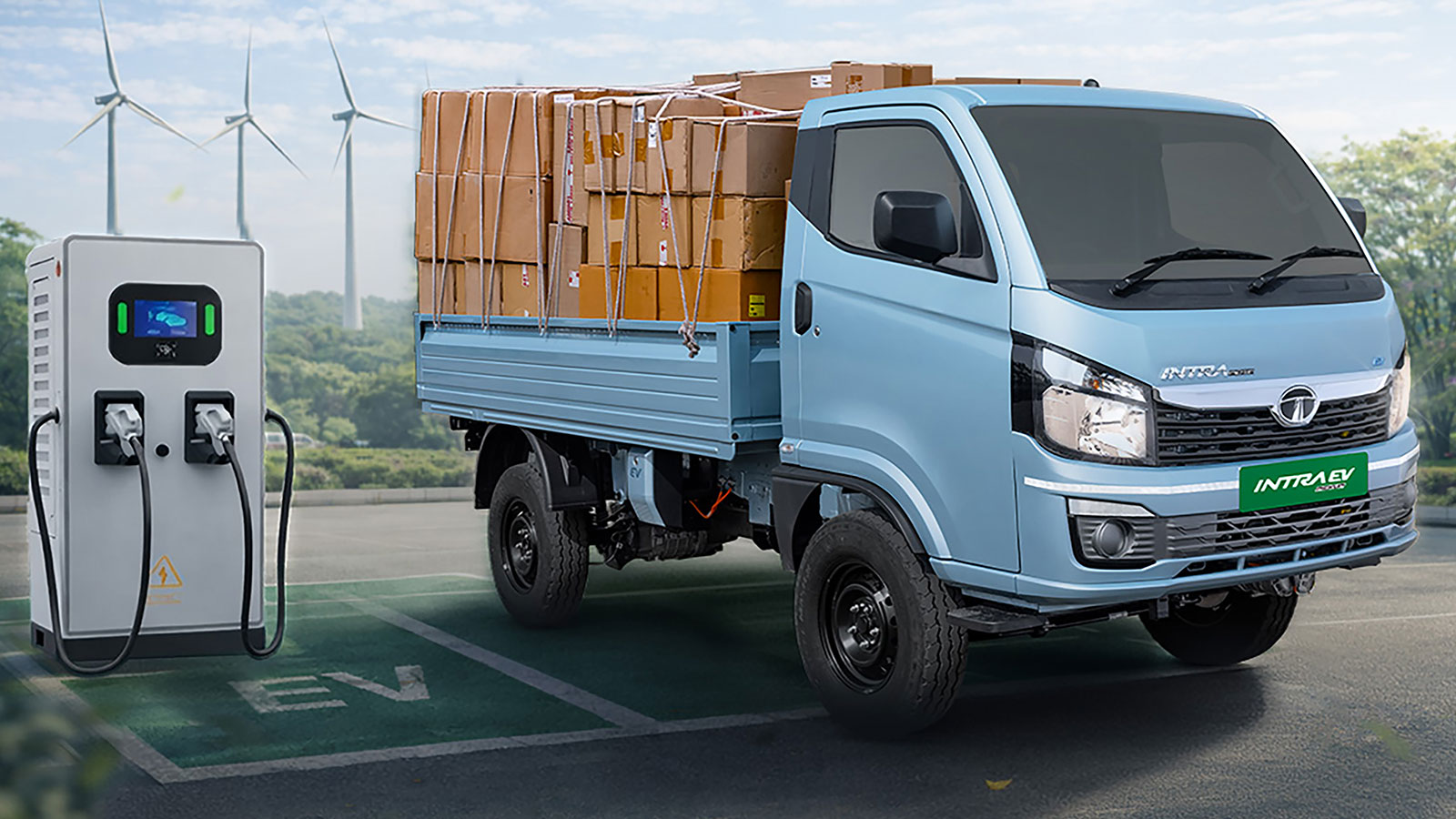
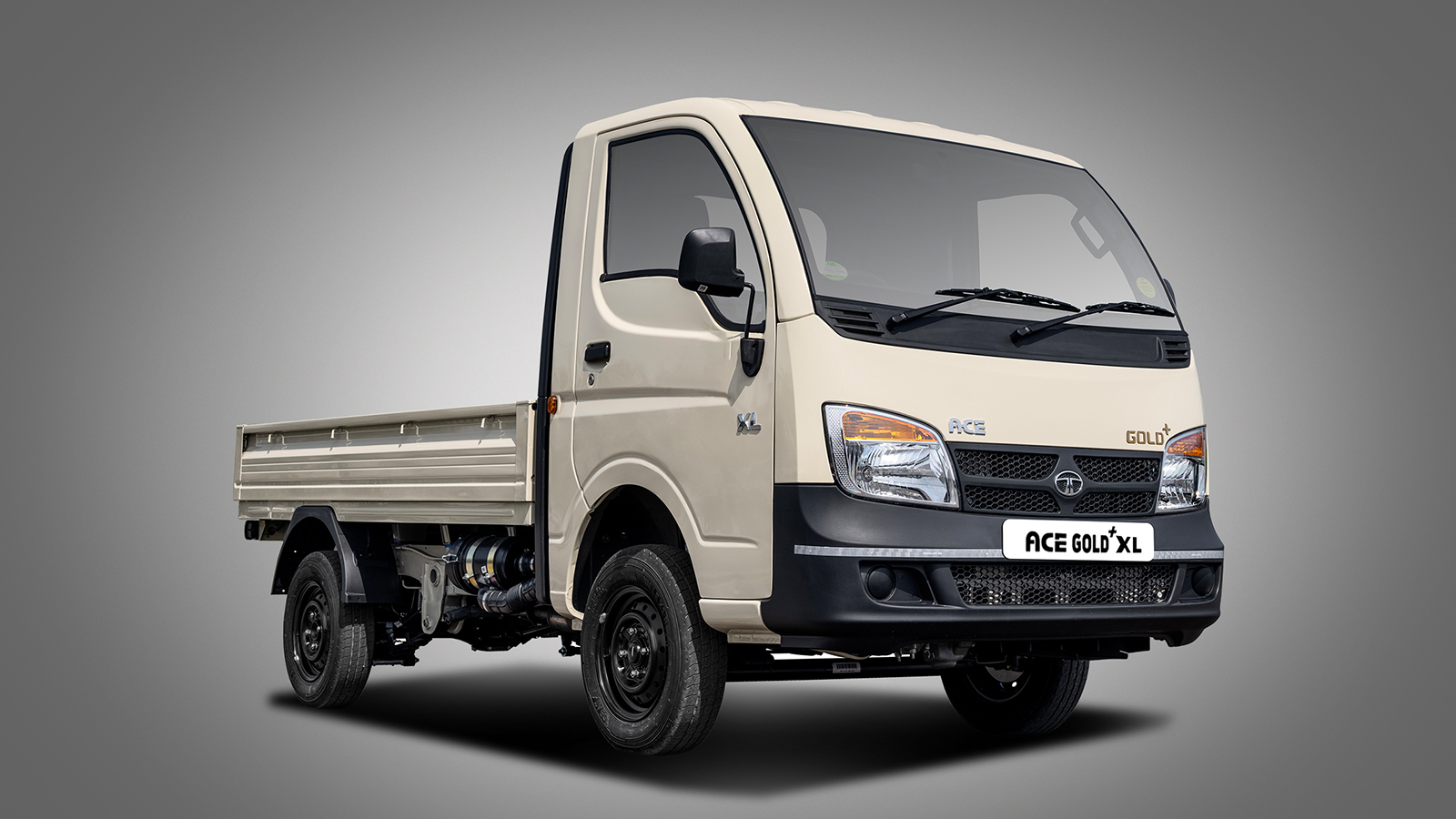
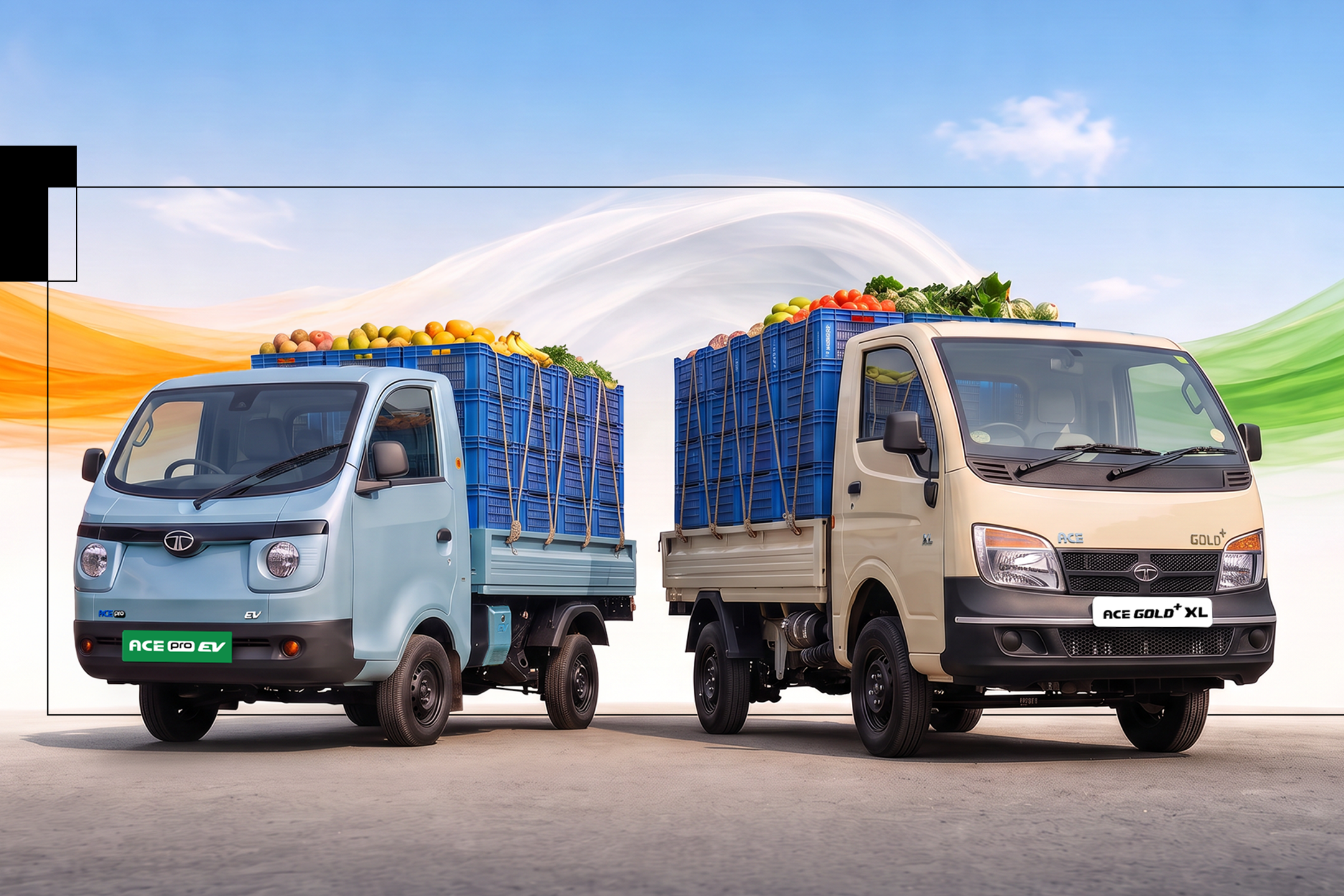
With the Tata Ace and Tata Ace Pro, aspiring entrepreneurs can explore opportunities across last-mile delivery, distribution, food and beverage, agricultural produce, FMCG and other local businesses. The Ace Pro, in particular, is available in Petrol, Bi-Fuel and Electric variants, allowing businesses to choose a powertrain based on their operating needs.
Starting a business does not always require a large warehouse, a storefront or a fleet of vehicles.
Sometimes, it starts with identifying a local need.
A mini truck can help entrepreneurs turn that need into a business opportunity.
Here are some possibilities:
Last-mile delivery
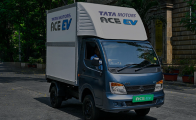
E-commerce and local businesses need dependable transportation to move products from warehouses, stores and distribution points to customers. A mini truck can be used for courier, e-commerce and FMCG deliveries, among other applications. The Tata Ace Pro EV, for instance, is positioned for applications including e-commerce, courier, FMCG and waste management.
Fruits and vegetable distribution
For entrepreneurs in agricultural and semi-urban markets, transporting fruits and vegetables from farms or wholesale markets to retailers can become a regular business opportunity.
FMCG and retail distribution
Local retailers need regular replenishment of everyday products. A mini truck can help transport groceries, packaged goods, beverages and other FMCG products across a defined route.
Milk and beverage delivery
Milk cans, packaged beverages and water bottles require frequent movement, making them suitable for route-based delivery businesses.
Mobile food and vending businesses
A suitably configured mini truck can also become the foundation for a mobile food or vending business, taking the business directly to customers rather than waiting for customers to arrive.
The important part is not simply choosing a business idea. It is identifying what your local market needs, how frequently it needs it and how your vehicle can help you serve that demand efficiently.
For someone entering commercial transportation for the first time, the biggest question isn't always “How much can I earn?”
It is often:
“Can I make the numbers work?”
The answer depends on factors such as the business application, number of trips, payload, route, customer demand, fuel or energy costs, financing terms and operating expenses.
That is why the right mini truck should be looked at as a business asset, not simply as a vehicle.
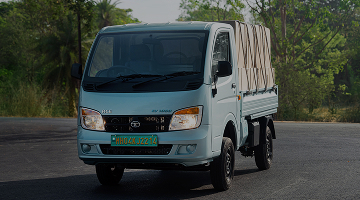
The Tata Ace portfolio has been associated with entrepreneurship since its launch in 2005. Tata Motors says more than 26 lakh entrepreneurs have trusted the Ace over 21 years.
The newer Tata Ace Pro builds on this entrepreneurial positioning with a 750 kg payload, a 6.5-foot deck and three power options - Petrol, Bi-Fuel and EV.
For an entrepreneur, that flexibility can matter: the vehicle can be selected around the nature of the business rather than forcing the business to fit a single type of vehicle.
There is no single earning figure for a mini truck business.
And that is important to understand before making a purchase.
A delivery operator making multiple short trips in a busy market will have a different revenue model from someone transporting agricultural produce between villages and a nearby town.
Your potential earnings can depend on:
A simple way to think about it is:
Business income = Revenue from trips – Operating expenses – Finance costs
The objective, therefore, is not simply to maximise the number of trips. It is to build a repeatable and profitable route or customer base.
That could mean starting with a handful of regular customers, understanding your daily costs and then expanding gradually as demand grows.
One of the biggest barriers for a first-time entrepreneur is the upfront cost of acquiring a commercial vehicle.
Financing can help make vehicle ownership more accessible, subject to lender eligibility, terms and conditions.
Tata Motors has worked with banks and NBFCs to provide financing solutions for its commercial vehicles, with options designed around different customer requirements.
For the Tata Ace, there is currently an offer through HDB Financial Services Ltd. providing a 60-day moratorium for eligible Tata Ace purchases across India. The offer is valid from 15 July 2026 to 31 August 2026, subject to applicable terms and conditions.
A moratorium can provide a new business with some breathing room at the beginning of its ownership journey, when the entrepreneur is working on establishing routes, customers and cash flows.
However, buyers should always check the applicable financing terms, interest rate, down payment, tenure, eligibility and other charges with the financier before making a decision.
A vehicle doesn't create a business on its own.
Customers do.
The real opportunity comes when an entrepreneur uses the vehicle to solve a recurring transportation problem.
The right mini truck depends on the nature of your work.
The Tata Ace portfolio offers multiple powertrain and payload options, while the Tata Ace Pro gives entrepreneurs a choice between Petrol, Bi-Fuel and EV powertrains. The Ace Pro's variants are designed for different operating requirements, from urban logistics and e-commerce to FMCG, agricultural produce and other applications.
The Ace Pro also offers a 750 kg payload and 6.5-foot deck, giving entrepreneurs flexibility across several last-mile applications.
Instead of asking “Which mini truck is best?”, a better question is:
“Which mini truck is best for the business I want to build?”
Start with your customers. Then your routes. Then your typical load. Then your operating costs.
And finally, choose the vehicle that fits the business.
Independence can take many forms.
For some, it is the freedom to choose their working hours.
For others, it is the freedom to build an income around their own ambitions.
And for many entrepreneurs, it is simply the satisfaction of knowing that every kilometre driven is helping build something of their own.
For 21 years, the Tata Ace has been part of that entrepreneurial journey, with Tata Motors marking more than 26 lakh Ace owners across India.
This Independence Day, perhaps the most meaningful question isn't:
“What job should I do?”
It is:
“What business can I build?”
And sometimes, the first step towards becoming your own boss could be a mini truck.
Explore the Tata Ace and Tata Ace Pro range and find the vehicle that fits your next business idea.
Every Independence Day, we celebrate the freedom to dream, choose and build a future of our own.
But what does independence look like when you are trying to build a livelihood?
For many Indians, it can mean moving away from the uncertainty of a fixed income and taking charge of their own business. It can mean turning a vehicle into an earning asset, finding customers, making your own schedule and gradually building something that belongs to you.
That is where a mini truck for business can become more than just a means of transport.
It can become the first step towards entrepreneurship.
With the Tata Ace and Tata Ace Pro, aspiring entrepreneurs can explore opportunities across last-mile delivery, distribution, food and beverage, agricultural produce, FMCG and other local businesses. The Ace Pro, in particular, is available in Petrol, Bi-Fuel and Electric variants, allowing businesses to choose a powertrain based on their operating needs.
Starting a business does not always require a large warehouse, a storefront or a fleet of vehicles.
Sometimes, it starts with identifying a local need.
A mini truck can help entrepreneurs turn that need into a business opportunity.
Here are some possibilities:
Last-mile delivery
E-commerce and local businesses need dependable transportation to move products from warehouses, stores and distribution points to customers. A mini truck can be used for courier, e-commerce and FMCG deliveries, among other applications. The Tata Ace Pro EV, for instance, is positioned for applications including e-commerce, courier, FMCG and waste management.
Fruits and vegetable distribution
For entrepreneurs in agricultural and semi-urban markets, transporting fruits and vegetables from farms or wholesale markets to retailers can become a regular business opportunity.
FMCG and retail distribution
Local retailers need regular replenishment of everyday products. A mini truck can help transport groceries, packaged goods, beverages and other FMCG products across a defined route.
Milk and beverage delivery
Milk cans, packaged beverages and water bottles require frequent movement, making them suitable for route-based delivery businesses.
Mobile food and vending businesses
A suitably configured mini truck can also become the foundation for a mobile food or vending business, taking the business directly to customers rather than waiting for customers to arrive.
The important part is not simply choosing a business idea. It is identifying what your local market needs, how frequently it needs it and how your vehicle can help you serve that demand efficiently.
For someone entering commercial transportation for the first time, the biggest question isn't always “How much can I earn?”
It is often:
“Can I make the numbers work?”
The answer depends on factors such as the business application, number of trips, payload, route, customer demand, fuel or energy costs, financing terms and operating expenses.
That is why the right mini truck should be looked at as a business asset, not simply as a vehicle.
The Tata Ace portfolio has been associated with entrepreneurship since its launch in 2005. Tata Motors says more than 26 lakh entrepreneurs have trusted the Ace over 21 years.
The newer Tata Ace Pro builds on this entrepreneurial positioning with a 750 kg payload, a 6.5-foot deck and three power options - Petrol, Bi-Fuel and EV.
For an entrepreneur, that flexibility can matter: the vehicle can be selected around the nature of the business rather than forcing the business to fit a single type of vehicle.
There is no single earning figure for a mini truck business.
And that is important to understand before making a purchase.
A delivery operator making multiple short trips in a busy market will have a different revenue model from someone transporting agricultural produce between villages and a nearby town.
Your potential earnings can depend on:
A simple way to think about it is:
Business income = Revenue from trips – Operating expenses – Finance costs
The objective, therefore, is not simply to maximise the number of trips. It is to build a repeatable and profitable route or customer base.
That could mean starting with a handful of regular customers, understanding your daily costs and then expanding gradually as demand grows.
One of the biggest barriers for a first-time entrepreneur is the upfront cost of acquiring a commercial vehicle.
Financing can help make vehicle ownership more accessible, subject to lender eligibility, terms and conditions.
Tata Motors has worked with banks and NBFCs to provide financing solutions for its commercial vehicles, with options designed around different customer requirements.
For the Tata Ace, there is currently an offer through HDB Financial Services Ltd. providing a 60-day moratorium for eligible Tata Ace purchases across India. The offer is valid from 15 July 2026 to 31 August 2026, subject to applicable terms and conditions.
A moratorium can provide a new business with some breathing room at the beginning of its ownership journey, when the entrepreneur is working on establishing routes, customers and cash flows.
However, buyers should always check the applicable financing terms, interest rate, down payment, tenure, eligibility and other charges with the financier before making a decision.
A vehicle doesn't create a business on its own.
Customers do.
The real opportunity comes when an entrepreneur uses the vehicle to solve a recurring transportation problem.
The right mini truck depends on the nature of your work.
The Tata Ace portfolio offers multiple powertrain and payload options, while the Tata Ace Pro gives entrepreneurs a choice between Petrol, Bi-Fuel and EV powertrains. The Ace Pro's variants are designed for different operating requirements, from urban logistics and e-commerce to FMCG, agricultural produce and other applications.
The Ace Pro also offers a 750 kg payload and 6.5-foot deck, giving entrepreneurs flexibility across several last-mile applications.
Instead of asking “Which mini truck is best?”, a better question is:
“Which mini truck is best for the business I want to build?”
Start with your customers. Then your routes. Then your typical load. Then your operating costs.
And finally, choose the vehicle that fits the business.
Independence can take many forms.
For some, it is the freedom to choose their working hours.
For others, it is the freedom to build an income around their own ambitions.
And for many entrepreneurs, it is simply the satisfaction of knowing that every kilometre driven is helping build something of their own.
For 21 years, the Tata Ace has been part of that entrepreneurial journey, with Tata Motors marking more than 26 lakh Ace owners across India.
This Independence Day, perhaps the most meaningful question isn't:
“What job should I do?”
It is:
“What business can I build?”
And sometimes, the first step towards becoming your own boss could be a mini truck.
Explore the Tata Ace and Tata Ace Pro range and find the vehicle that fits your next business idea.