Image

How to Set Up a Home Charging Station for Your EV: A Simple Guide for Business Owners
One of the biggest questions people ask before buying an electric commercial vehicle is, "How will I charge it?"
The good news is that charging an EV is much simpler than many first-time buyers imagine. Unlike conventional vehicles that require frequent visits to a fuel station, an electric vehicle can be conveniently charged at your home, warehouse or business premises. In fact, for many businesses, charging overnight means the vehicle is fully ready for work at the start of every day.
Whether you're planning to buy your first electric pickup or already own one, understanding how to set up a home charging station can make EV ownership more convenient and hassle-free.
Here's everything you need to know.
For businesses with predictable daily operations, home charging offers unmatched convenience.
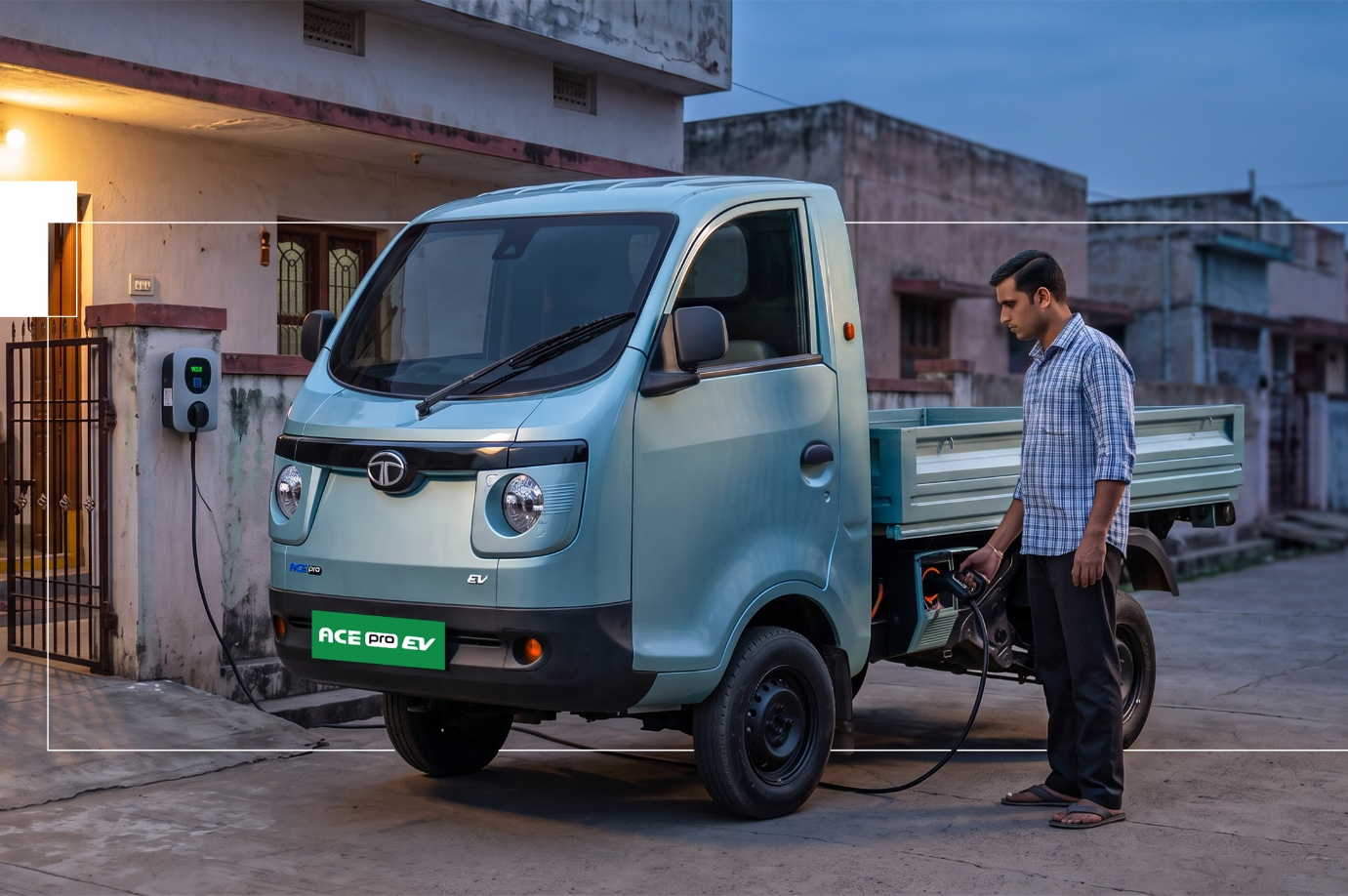
Instead of planning fuel stops, you can simply plug in your vehicle after the day's work and let it charge overnight. By morning, it's ready for the next round of deliveries.
Home charging also helps:
For many EV owners, this becomes one of the biggest advantages of switching to electric mobility.
Electric commercial vehicles can typically be charged using AC charging solutions designed for regular daily use.
Depending on your business requirements and available electrical infrastructure, your authorised dealer or installation partner can recommend the most suitable charger for your vehicle.
Choosing a certified charger ensures:
Always use approved charging equipment recommended for your EV.
Setting up a home charging station is generally a straightforward process.
A typical installation includes:
Professional installation ensures the charging system meets all required safety standards while delivering reliable performance.
Before installation, it's important to verify that your property's electrical system can support EV charging.
A qualified electrician will assess factors such as:
If upgrades are required, completing them before installation helps ensure safe and efficient charging.
Charging duration depends on several factors, including the battery size, charger type and the battery's state of charge.
For most businesses, overnight charging fits naturally into daily operations. The vehicle can remain connected while not in use, ensuring it's ready when the workday begins.
Planning charging around your operating schedule helps maximise vehicle availability without disrupting business.
Many prospective EV buyers believe home charging is only possible if they own an independent house. In reality, charging solutions can often be adapted to different types of properties.
Installation is generally straightforward, provided there's a dedicated parking space and access to a suitable electrical connection.
Charging may require coordination with the housing society or building management to install charging infrastructure in designated parking areas.
As EV adoption continues to grow, many residential communities are making provisions for EV charging facilities, making ownership easier than ever.
Like any electrical equipment, an EV charging station should always be installed and used according to recommended safety standards.
Keep these precautions in mind:
Following these simple practices helps ensure safe and reliable charging throughout the life of your vehicle.
Rainy weather often raises concerns among first-time EV buyers, but modern charging systems are designed with safety in mind.
During the monsoon:
Taking basic precautions helps ensure safe charging even during the rainy season.
Developing good charging habits can improve convenience and support long-term battery performance.
Here are a few useful tips:
A little care goes a long way in ensuring dependable day-to-day operations.
As electric mobility continues to transform commercial transportation, home charging is becoming one of the biggest advantages for business owners. With the ability to charge overnight at your own premises, businesses can reduce downtime, simplify operations and begin every day with a fully charged vehicle ready for work.
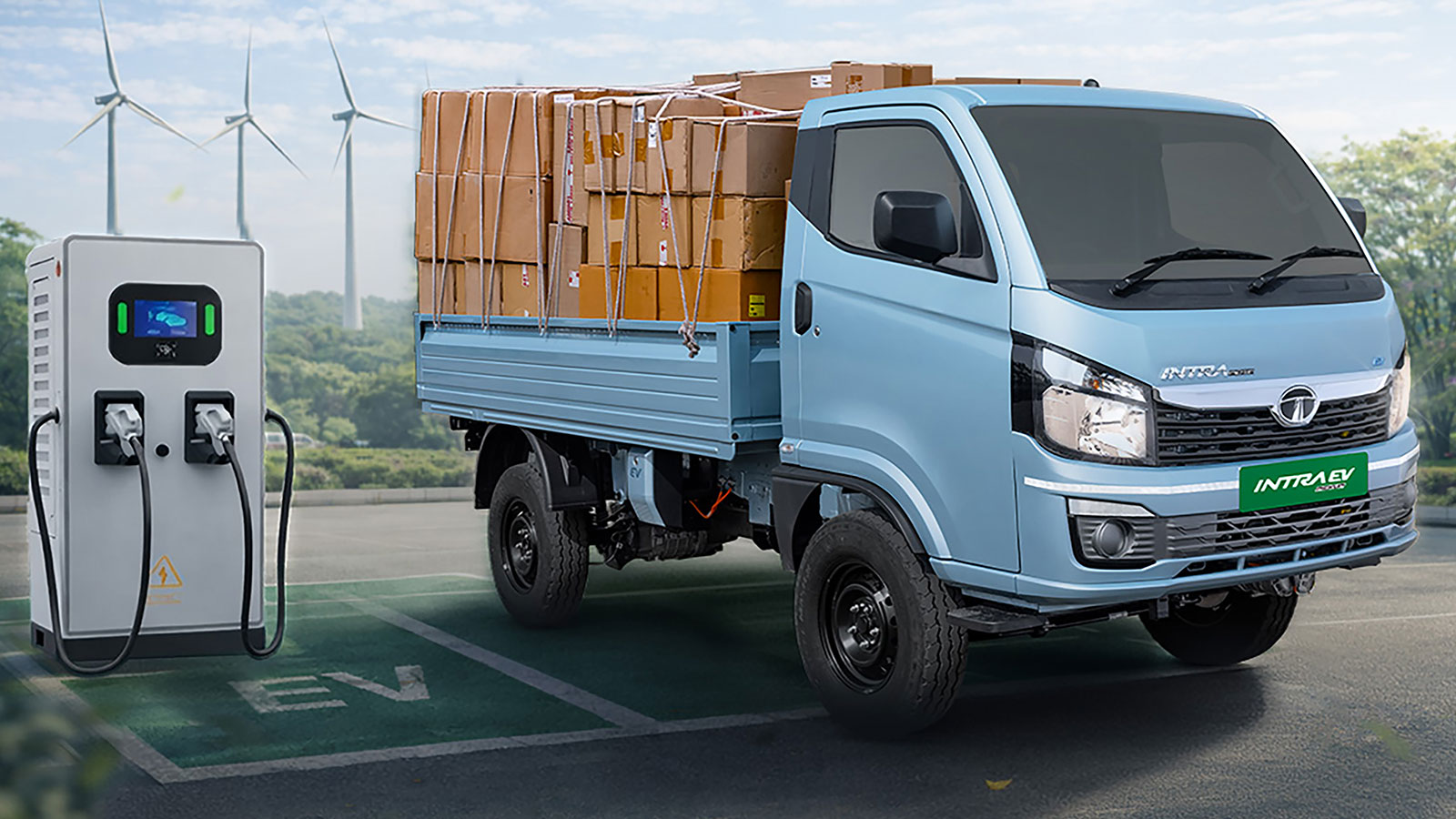
Whether you're considering the Tata Ace EV, Tata Ace Pro EV or Tata Intra EV, setting up a home charging station is a simple step towards smarter, more efficient operations. Combined with lower running costs, dependable performance and growing charging infrastructure, electric commercial vehicles are helping businesses move towards a more sustainable and profitable future.
With the right charging setup in place, your EV is always ready when your business needs it most.
How to Set Up a Home Charging Station for Your EV: A Simple Guide for Business Owners
One of the biggest questions people ask before buying an electric commercial vehicle is, "How will I charge it?"
The good news is that charging an EV is much simpler than many first-time buyers imagine. Unlike conventional vehicles that require frequent visits to a fuel station, an electric vehicle can be conveniently charged at your home, warehouse or business premises. In fact, for many businesses, charging overnight means the vehicle is fully ready for work at the start of every day.
Whether you're planning to buy your first electric pickup or already own one, understanding how to set up a home charging station can make EV ownership more convenient and hassle-free.
Here's everything you need to know.
For businesses with predictable daily operations, home charging offers unmatched convenience.
Instead of planning fuel stops, you can simply plug in your vehicle after the day's work and let it charge overnight. By morning, it's ready for the next round of deliveries.
Home charging also helps:
For many EV owners, this becomes one of the biggest advantages of switching to electric mobility.
Electric commercial vehicles can typically be charged using AC charging solutions designed for regular daily use.
Depending on your business requirements and available electrical infrastructure, your authorised dealer or installation partner can recommend the most suitable charger for your vehicle.
Choosing a certified charger ensures:
Always use approved charging equipment recommended for your EV.
Setting up a home charging station is generally a straightforward process.
A typical installation includes:
Professional installation ensures the charging system meets all required safety standards while delivering reliable performance.
Before installation, it's important to verify that your property's electrical system can support EV charging.
A qualified electrician will assess factors such as:
If upgrades are required, completing them before installation helps ensure safe and efficient charging.
Charging duration depends on several factors, including the battery size, charger type and the battery's state of charge.
For most businesses, overnight charging fits naturally into daily operations. The vehicle can remain connected while not in use, ensuring it's ready when the workday begins.
Planning charging around your operating schedule helps maximise vehicle availability without disrupting business.
Many prospective EV buyers believe home charging is only possible if they own an independent house. In reality, charging solutions can often be adapted to different types of properties.
Installation is generally straightforward, provided there's a dedicated parking space and access to a suitable electrical connection.
Charging may require coordination with the housing society or building management to install charging infrastructure in designated parking areas.
As EV adoption continues to grow, many residential communities are making provisions for EV charging facilities, making ownership easier than ever.
Like any electrical equipment, an EV charging station should always be installed and used according to recommended safety standards.
Keep these precautions in mind:
Following these simple practices helps ensure safe and reliable charging throughout the life of your vehicle.
Rainy weather often raises concerns among first-time EV buyers, but modern charging systems are designed with safety in mind.
During the monsoon:
Taking basic precautions helps ensure safe charging even during the rainy season.
Developing good charging habits can improve convenience and support long-term battery performance.
Here are a few useful tips:
A little care goes a long way in ensuring dependable day-to-day operations.
As electric mobility continues to transform commercial transportation, home charging is becoming one of the biggest advantages for business owners. With the ability to charge overnight at your own premises, businesses can reduce downtime, simplify operations and begin every day with a fully charged vehicle ready for work.
Whether you're considering the Tata Ace EV, Tata Ace Pro EV or Tata Intra EV, setting up a home charging station is a simple step towards smarter, more efficient operations. Combined with lower running costs, dependable performance and growing charging infrastructure, electric commercial vehicles are helping businesses move towards a more sustainable and profitable future.
With the right charging setup in place, your EV is always ready when your business needs it most.