Image
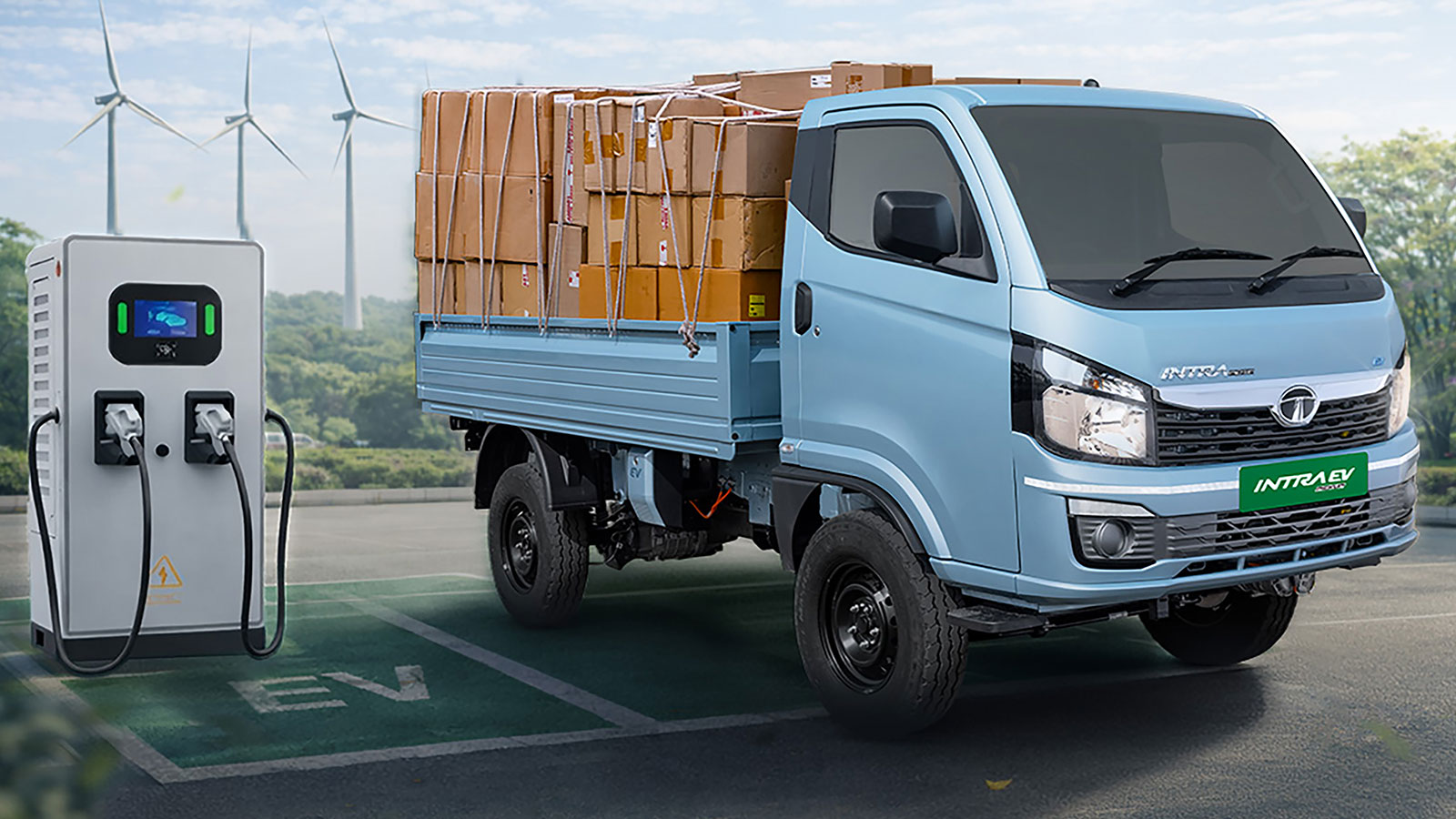
For a lot of small businesses in India, the first ‘company vehicle’ isn’t a big truck or a fancy SUV. It’s a mini truck quietly carrying stock and helping you scale your business.
Here’s a simple way to pick the right mini truck at the right price – without getting lost in jargon.
Start with the payload.
Questions to ask yourself:
Rule of thumb: buy for your typical heavy day, not your lightest one.
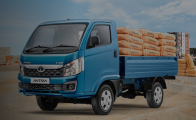
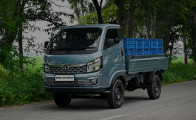
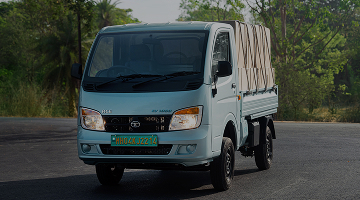
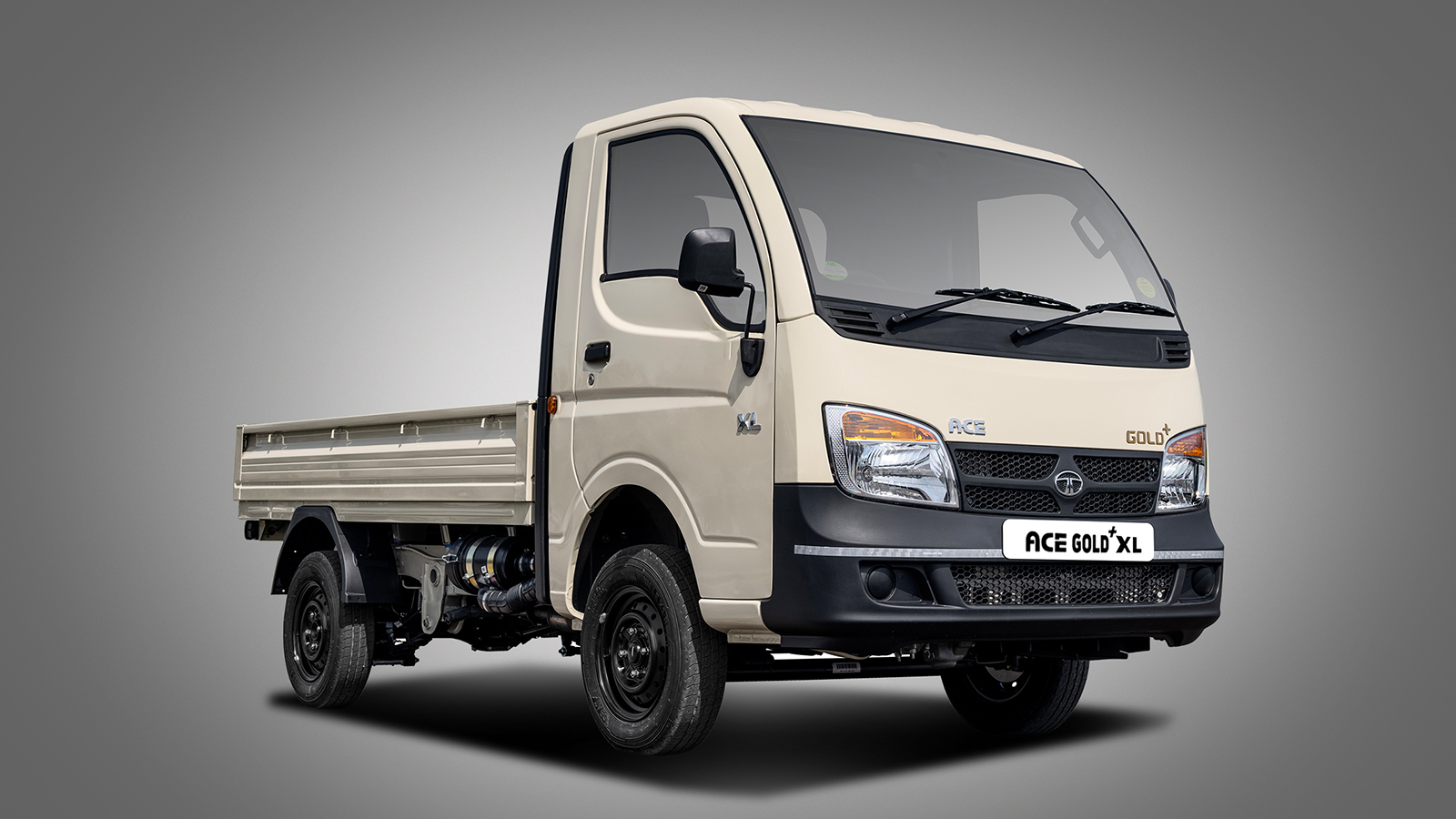
A classic mini truck like the Ace Gold sits at about 1835 kg GVW with a tight turning radius (~4300 mm), built to squeeze through old-city lanes and busy markets. Bigger mini trucks with 2500+ kg GVW and longer wheelbases handle more cargo but need more space to turn and park.
Points to think about:
Current mini truck price ranges roughly look like this:
Don’t just chase the lowest price. Look at:
Think of total cost of ownership (TCO): (EMI + fuel + service – resale) / years. That’s the number that really matters.
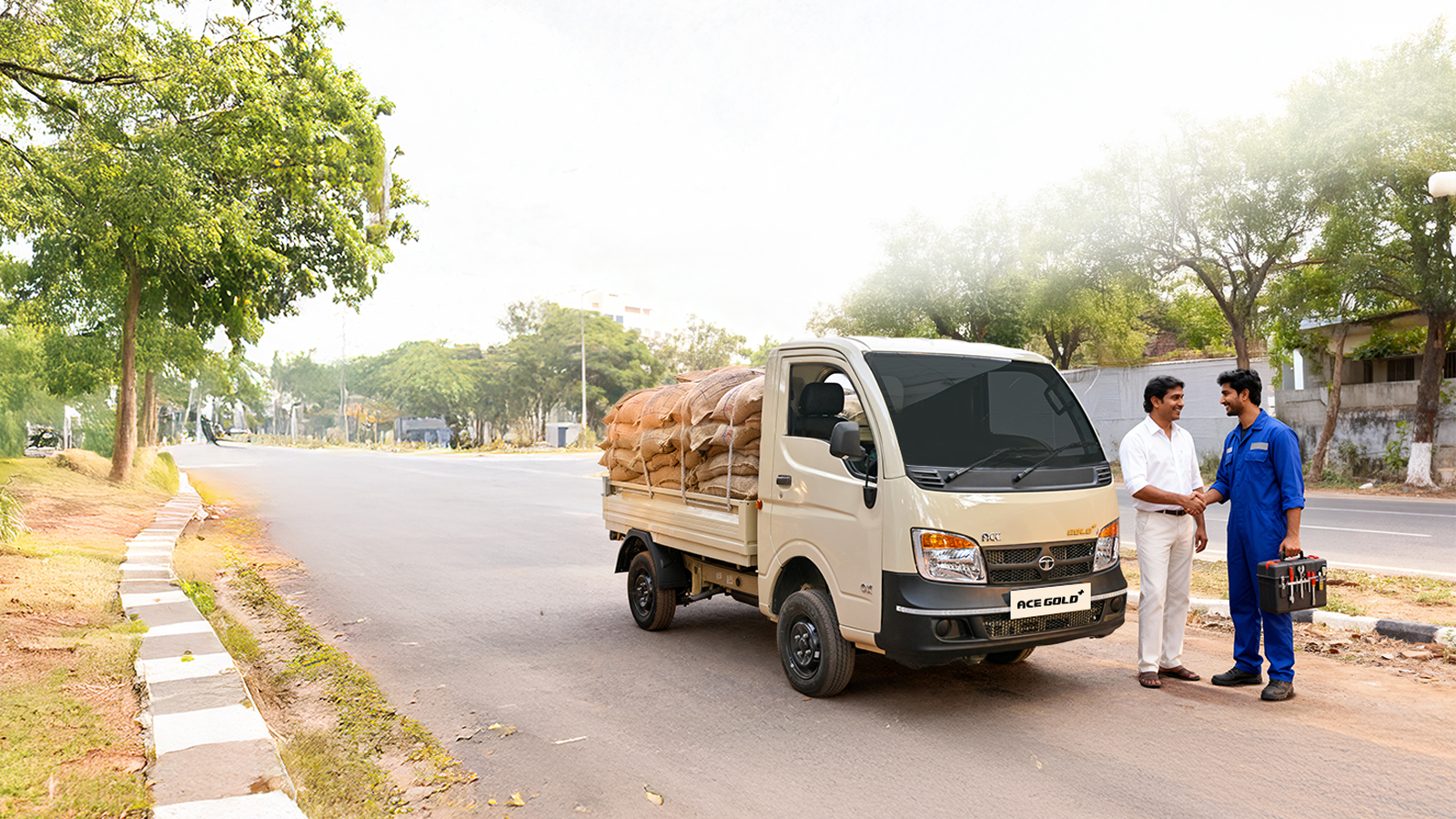
Your mini truck will break down at the worst possible time, and probably not next to an authorised workshop.
You’re not just choosing a mini truck; you’re choosing how your business will move – literally.
If you get payload, routes, fuel type and service support right, any good mini truck—whether it’s a compact 700 kg city runner or a 1300 kg diesel workhorse—can quietly become one of the best “hires” your business ever makes.
For a lot of small businesses in India, the first ‘company vehicle’ isn’t a big truck or a fancy SUV. It’s a mini truck quietly carrying stock and helping you scale your business.
Here’s a simple way to pick the right mini truck at the right price – without getting lost in jargon.
Start with the payload.
Questions to ask yourself:
Rule of thumb: buy for your typical heavy day, not your lightest one.
A classic mini truck like the Ace Gold sits at about 1835 kg GVW with a tight turning radius (~4300 mm), built to squeeze through old-city lanes and busy markets. Bigger mini trucks with 2500+ kg GVW and longer wheelbases handle more cargo but need more space to turn and park.
Points to think about:
Current mini truck price ranges roughly look like this:
Don’t just chase the lowest price. Look at:
Think of total cost of ownership (TCO): (EMI + fuel + service – resale) / years. That’s the number that really matters.
Your mini truck will break down at the worst possible time, and probably not next to an authorised workshop.
You’re not just choosing a mini truck; you’re choosing how your business will move – literally.
If you get payload, routes, fuel type and service support right, any good mini truck—whether it’s a compact 700 kg city runner or a 1300 kg diesel workhorse—can quietly become one of the best “hires” your business ever makes.