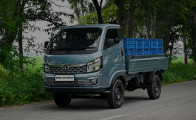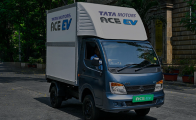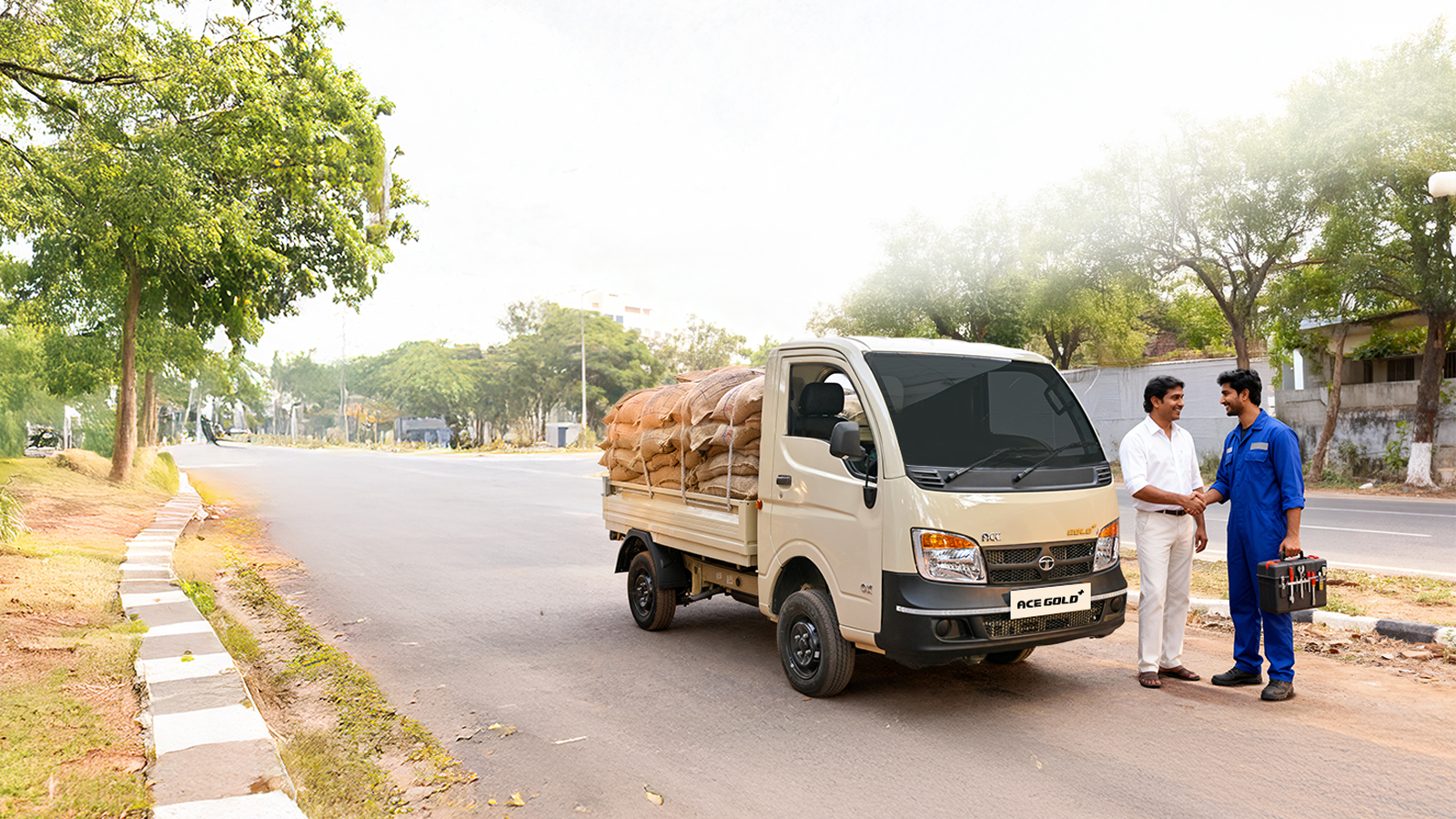
For a lot of small businesses in India, the first ‘company vehicle’ isn’t a big truck or a fancy SUV. It’s a mini truck quietly carrying stock and helping you scale your business.
Here’s a simple way to pick the right mini truck at the right price – without getting lost in jargon.
Step 1: Be Honest About What You’ll Carry
Start with the payload.
- Many popular mini trucks in India (Ace Gold–type models) offer payloads between 650–900 kg, depending on fuel type and body configuration.
- Slightly larger “mini” models move up to around 1300 kg payload, like the Intra V30‑class vehicles often used for groceries, FMCG, courier and construction material.
Questions to ask yourself:
- Are your loads light but bulky (cartons, foam, clothes, packaging)? You might be fine in the 650–800 kg band.
- Are they dense and heavy (tiles, cement, grain, beverages)? Then look closer to the 900–1300 kg side.
- Do you regularly overload? If yes, spec up – it hits maintenance and safety.
Rule of thumb: buy for your typical heavy day, not your lightest one.
Step 2: Match Truck Size to Your Routes
A classic mini truck like the Ace Gold sits at about 1835 kg GVW with a tight turning radius (~4300 mm), built to squeeze through old-city lanes and busy markets. Bigger mini trucks with 2500+ kg GVW and longer wheelbases handle more cargo but need more space to turn and park.
Points to think about:
- Do you deliver inside narrow lanes, gated societies, inner markets? Go smaller and more manoeuvrable.
- Are your routes mostly main roads, industrial areas, mandis? You can safely move to a longer, heavier mini truck.
- Where will you park and load/unload? Many buyers forget this and suffer daily.
Step 3: Choose the Right Fuel Type
- Petrol mini trucks
- Lower upfront price, smoother to drive.
- Good for shorter, lighter urban runs.
- Example: A petrol mini truck like Ace Gold Petrol CX offers ~700–775 kg payload and simple maintenance, popular with early‑stage businesses.
- Diesel mini trucks
- Better for longer distances and heavier loads.
- Higher torque, typically better km/kg earnings on highways and peri‑urban routes.
- Intra V30‑class vehicles with a 1496 cc diesel engine (around 70 hp) and 1300 kg payload are built for this kind of use.
- CNG / Bi‑fuel (CNG + petrol)
- Lower running cost and emissions.
- Ideal if your city has decent CNG station coverage.
- Great for fixed urban routes like milk, bakery, water cans, gas cylinders.
- Electric mini trucks
- Higher upfront cost but very low running cost and zero tailpipe emissions.
- Best used when your routes are predictable and you can charge at a depot.
Step 4: Understand Price vs Value
Current mini truck price ranges roughly look like this:
- Entry‑level mini trucks (petrol, 600–800 kg payload): around ₹4.5–5.5 lakh ex‑showroom in many cities.
- Mid‑range, higher payload mini trucks (diesel, up to ~1300 kg): ₹7.5–9.5 lakh ex‑showroom, depending on brand, specs and variants.
Don’t just chase the lowest price. Look at:
- Warranty and service intervals – longer, friendlier schedules save downtime.
- Resale value – popular models tend to have stronger resale because the used market understands and trusts them.
- Real-world mileage – a difference of 2–3 kmpl, at your monthly running, can easily beat a small EMI saving.
Think of total cost of ownership (TCO): (EMI + fuel + service – resale) / years. That’s the number that really matters.
Step 5: Test It
- Seat comfort and driving position
- Power steering
- NVH (noise, vibration, harshness)
- Basic safety – good visibility, strong build, braking feel.
Step 6: Check Service Network and Uptime
Your mini truck will break down at the worst possible time, and probably not next to an authorised workshop.
- Check how many service centres and authorised workshops the brand has within a 50–100 km radius of your base.
- Ask about mobile service vans, roadside assistance and availability of fast‑moving parts.
Step 7: Test Drive Loaded, Not Empty
- Ask the dealer to simulate realistic weight in the cargo bay.
- Drive it through speed breakers, tight turns, mild inclines like your daily routes.
- Notice how it pulls from low speeds, how the clutch feels, and how the suspension behaves.
You’re not just choosing a mini truck; you’re choosing how your business will move – literally.
If you get payload, routes, fuel type and service support right, any good mini truck—whether it’s a compact 700 kg city runner or a 1300 kg diesel workhorse—can quietly become one of the best “hires” your business ever makes.
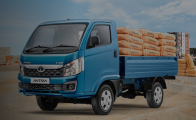
For many small businesses, the first ‘truck’ isn’t a 16‑tyre giant. It’s a compact mini truck quietly hauling milk crates, kirana stock, e‑commerce parcels or gas cylinders through narrow lanes.
Here’s a look at some of the top mini trucks in India that stay friendly on the budget, plus what they’re actually good at in the real world.
Buying a Mini Truck Under Budget
Across brands, mini truck prices in India typically start around ₹4–4.5 lakh ex‑showroom for basic petrol/diesel models and go up to around ₹7.5–8 lakh for higher‑spec, higher‑payload variants.
- Lower band (₹4–5.5 lakh): Great for early‑stage businesses, lighter loads and short urban routes.
- Mid band (₹5.5–7.5 lakh): Suited to heavier payloads, longer runs and slightly more demanding operations.
Tata Ace Gold – The Familiar Workhorse
You’ve probably seen this one more than you realise.
- Price: Starts around ₹4.5 lakh ex‑showroom in Delhi, going up by variant and fuel type.
- Payload: Diesel versions in the current range usually offer around 750–900 kg depending on trim, with Diesel Plus variants listed with GVW from 1675–1835 kg.
- Engine: Small diesel engine tuned for city runs; Diesel variants quoted at around 20–22 hp with mileage in the 21–22 kmpl band in independent comparisons.
Best use cases:
- Last‑mile delivery for kirana, bakery, dairy, water cans, e‑commerce, spares.
- Urban and semi‑urban routes with lots of stops and narrow streets.
Why it’s popular on “top mini truck” lists: the Ace family has built a reputation for reliability, strong resale value and a service ecosystem that’s widely understood by drivers and mechanics.
How to Match These Trucks to Your Use Case
Instead of asking “Which mini truck is best?”, a better question is “Best for what?”
- Choose an Ace‑type truck if:
- You need a proven, all‑rounder solution for mixed city cargo.
- You want a balance of payload, mileage and resale with strong brand familiarity among drivers and mechanics.
- Your routes blend city and outskirts and you’re okay spending a little more upfront for extra power and capacity.
Final Thought: Don’t Buy Just on Price
The cheapest EMI is not always the smartest decision. Use a simple checklist:
- Does the payload match my busiest days?
- Can it comfortably handle my streets and parking reality?
- Is the fuel type right for my city and daily km?
- How good are service, parts and resale in my area for this model?
If a mini truck helps you do more trips, with fewer breakdowns, at a predictable cost per km, it’s under budget in the way that really counts: for your business, not just on paper.