Image
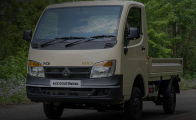
If you run a small business in India, your pickup isn't just a vehicle. It's your warehouse, delivery boy and often, a family trip transporter. Choosing the "best" pickup truck is really about finding the one that matches your routes, loads and ambitions.
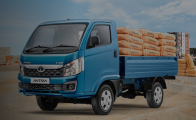
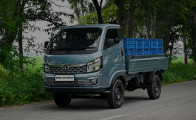
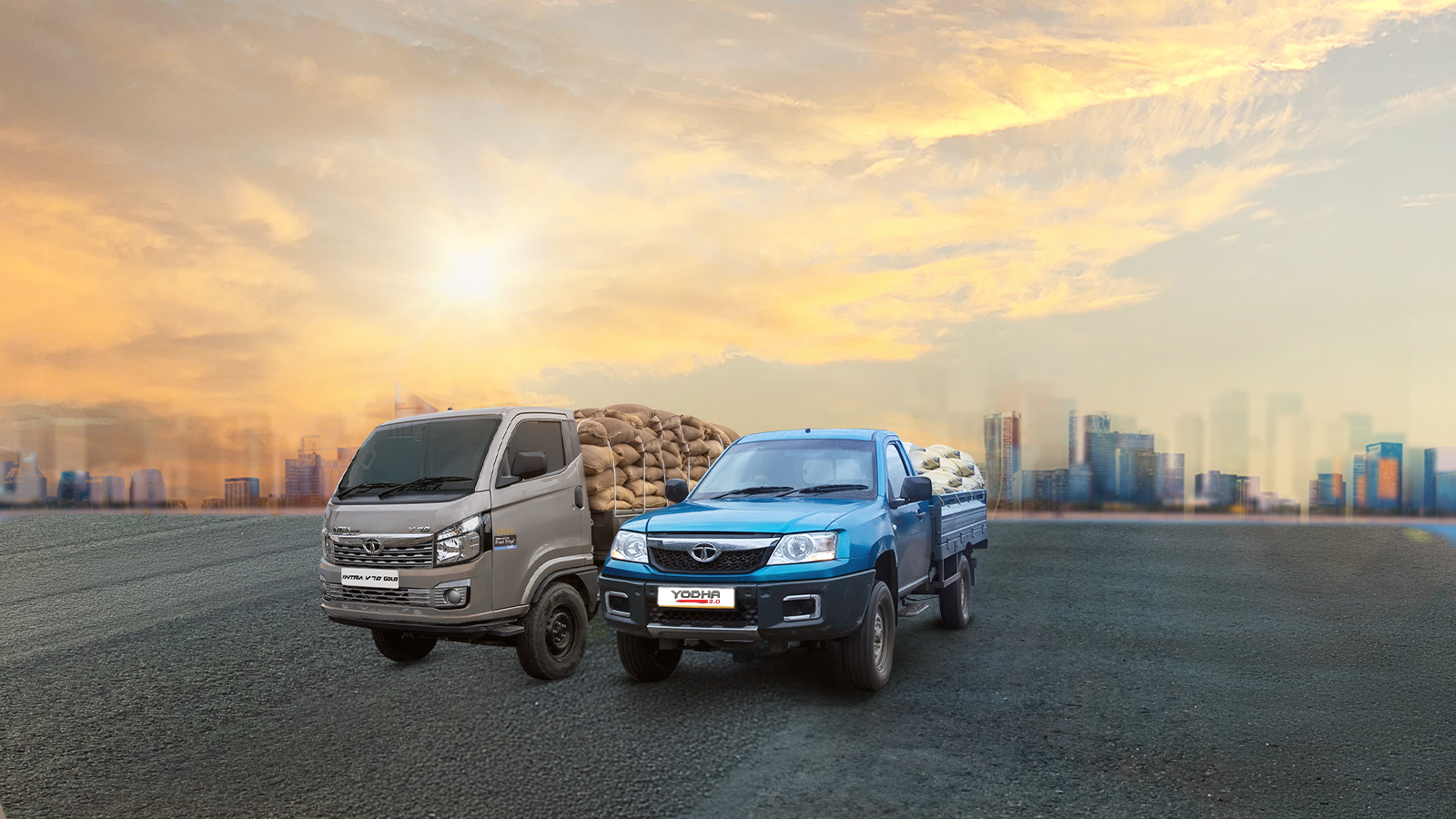
Tata Motors sits at the heart of this space with two strong pickup pillars: the Intra range (like the Intra V50) and the Yodha. Together, they cover everything from city logistics to heavy rural and construction work.
Price Snapshot: What Will It Cost You?
In simple terms:
Performance & Payload: Muscle vs Mileage
Tata Intra V50 – Smart Workhorse
The Intra V50 is built as a modern, city‑friendly pickup with:
Tata Yodha Pickup – Heavy-Duty Specialist
The Yodha is tuned to:
Where Each Pickup Fits Best
Intra V50 – If Your Business Is in the City Or Around It
Ideal if you:
With up to 1.5T payload and 17–22 kmpl type mileage, the Intra V50 is ideal for businesses trying to maximise trips per litre, not just load per trip.
Yodha – If Your Business Lifts Heavy and Travels Rough
Best suited if you:
The 2.2L engine, 1700 kg payload and high stance make the Yodha comfortable hauling more demanding loads over broken roads and gradients.
Head-to-Head: Which Pickup is "Best"?
There's no single winner – only a better fit for your kind of business.
If you measure success in trips per day and litres saved, the Intra V50 usually is the winner.
If you measure it in tonnes moved over tough roads and jobs saved from hiring larger trucks, the Yodha often wins.
For small businesses in India, the "best" pickup is all about the one that quietly does the maximum work per rupee, on the roads you actually drive, with the loads you actually carry.
If you run a small business in India, your pickup isn't just a vehicle. It's your warehouse, delivery boy and often, a family trip transporter. Choosing the "best" pickup truck is really about finding the one that matches your routes, loads and ambitions.
Tata Motors sits at the heart of this space with two strong pickup pillars: the Intra range (like the Intra V50) and the Yodha. Together, they cover everything from city logistics to heavy rural and construction work.
Price Snapshot: What Will It Cost You?
In simple terms:
Performance & Payload: Muscle vs Mileage
Tata Intra V50 – Smart Workhorse
The Intra V50 is built as a modern, city‑friendly pickup with:
Tata Yodha Pickup – Heavy-Duty Specialist
The Yodha is tuned to:
Where Each Pickup Fits Best
Intra V50 – If Your Business Is in the City Or Around It
Ideal if you:
With up to 1.5T payload and 17–22 kmpl type mileage, the Intra V50 is ideal for businesses trying to maximise trips per litre, not just load per trip.
Yodha – If Your Business Lifts Heavy and Travels Rough
Best suited if you:
The 2.2L engine, 1700 kg payload and high stance make the Yodha comfortable hauling more demanding loads over broken roads and gradients.
Head-to-Head: Which Pickup is "Best"?
There's no single winner – only a better fit for your kind of business.
If you measure success in trips per day and litres saved, the Intra V50 usually is the winner.
If you measure it in tonnes moved over tough roads and jobs saved from hiring larger trucks, the Yodha often wins.
For small businesses in India, the "best" pickup is all about the one that quietly does the maximum work per rupee, on the roads you actually drive, with the loads you actually carry.