Image
If you spend your day thinking about loads, routes and EMIs, it is vital to understand which suits you better - pickup truck or mini truck? It will help you decide whether you squeeze through city gullies with cartons of goods, or rumble down a kachcha road carrying farm produce, cement bags or equipment.
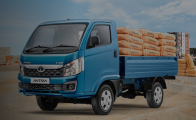
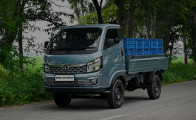
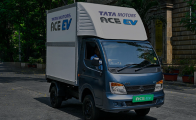
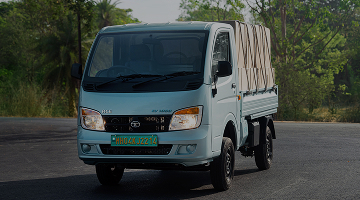
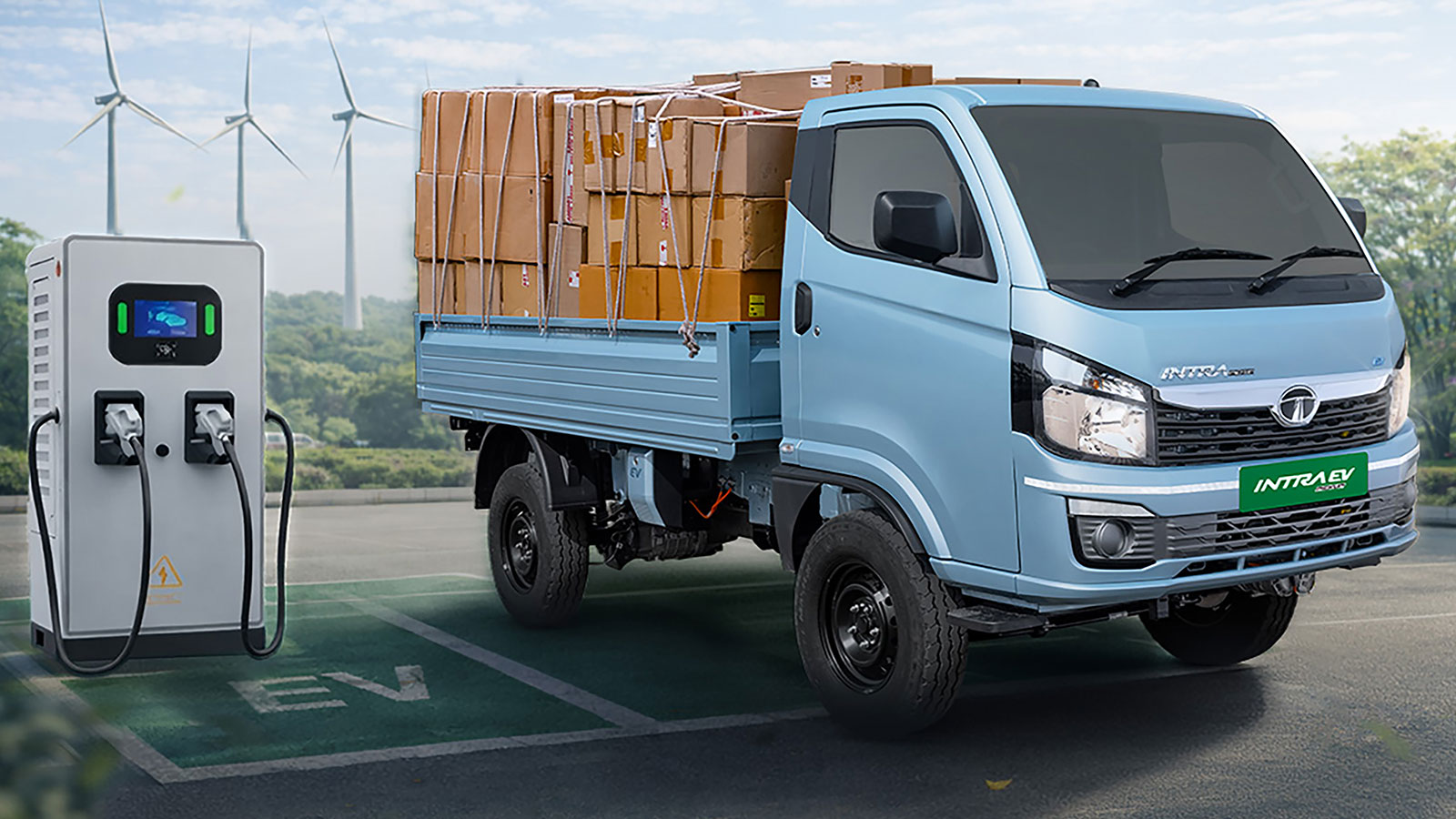
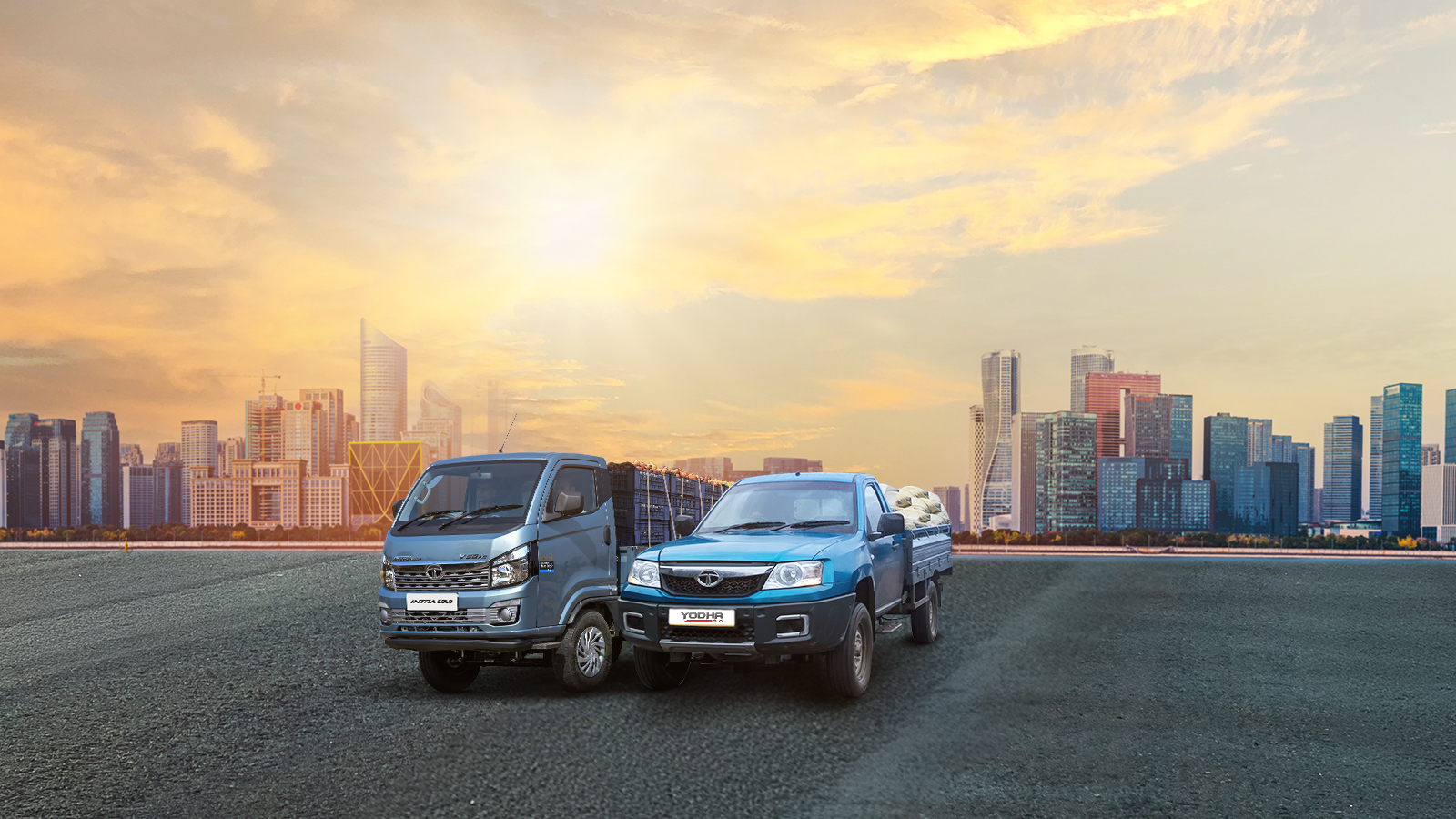
Tata Motors sits in the middle of this dilemma with both styles in its portfolio – mini trucks like the Ace Gold and Intra range, and pickups like the Yodha – each built for a different kind of hustle.
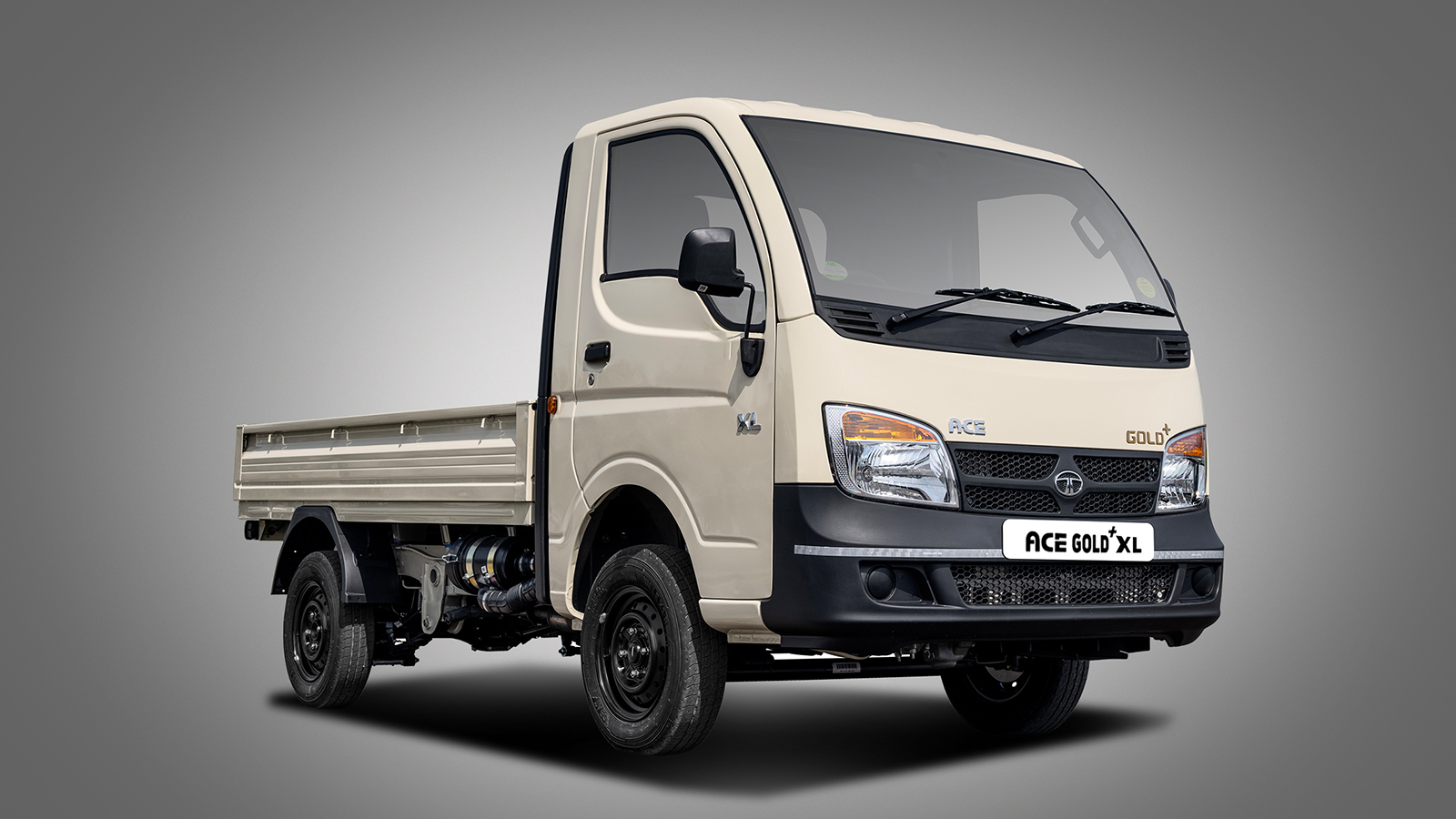
Mini trucks such as the Tata Ace Gold and compact Intra models are designed for tight urban and semi‑urban work. They typically offer:
Use them when:
For instance, specs for the Ace Gold show a compact engine and turning radius around 4300 mm, with mileage figures quoted in the 15–20 kmpl band, which is exactly the sort of balance that keeps city runs profitable.
Pickups like the Tata Yodha live at the tougher end of the spectrum. They stretch the idea of “small commercial vehicle” into seriously hard‑working territory:
Use a pickup when:
In simple terms: if your typical cargo looks like sacks, tiles, rods, equipment or farm produce – and not just cartons – a pickup usually handles the load better.
So yes, pickups usually cost more upfront. But if your business can actually use the extra payload and tougher hardware, the revenue-per-trip story can tilt in their favour. If you’re rarely loading above 800–900 kg, a mini truck makes more economic sense.
Mini trucks (Ace Gold, smaller Intra variants) score on:
Pickups (Yodha class) score on:
In many small businesses, the pickup becomes the do‑everything vehicle – morning mandi runs, material movement for a project, and sometimes even family trips. The mini truck tends to stay focused on cargo.
A quick way to decide:
Choose a mini truck (Ace/compact Intra type) if:
Choose a pickup (Yodha type) if:
If your business is a mix of city retail distribution plus some heavier trips – stepping up from a basic mini truck into something like the Intra V30/V50 band can be a smart middle path, bringing more payload and tougher build while still staying city‑friendly.
If you spend your day thinking about loads, routes and EMIs, it is vital to understand which suits you better - pickup truck or mini truck? It will help you decide whether you squeeze through city gullies with cartons of goods, or rumble down a kachcha road carrying farm produce, cement bags or equipment.
Tata Motors sits in the middle of this dilemma with both styles in its portfolio – mini trucks like the Ace Gold and Intra range, and pickups like the Yodha – each built for a different kind of hustle.
Mini trucks such as the Tata Ace Gold and compact Intra models are designed for tight urban and semi‑urban work. They typically offer:
Use them when:
For instance, specs for the Ace Gold show a compact engine and turning radius around 4300 mm, with mileage figures quoted in the 15–20 kmpl band, which is exactly the sort of balance that keeps city runs profitable.
Pickups like the Tata Yodha live at the tougher end of the spectrum. They stretch the idea of “small commercial vehicle” into seriously hard‑working territory:
Use a pickup when:
In simple terms: if your typical cargo looks like sacks, tiles, rods, equipment or farm produce – and not just cartons – a pickup usually handles the load better.
So yes, pickups usually cost more upfront. But if your business can actually use the extra payload and tougher hardware, the revenue-per-trip story can tilt in their favour. If you’re rarely loading above 800–900 kg, a mini truck makes more economic sense.
Mini trucks (Ace Gold, smaller Intra variants) score on:
Pickups (Yodha class) score on:
In many small businesses, the pickup becomes the do‑everything vehicle – morning mandi runs, material movement for a project, and sometimes even family trips. The mini truck tends to stay focused on cargo.
A quick way to decide:
Choose a mini truck (Ace/compact Intra type) if:
Choose a pickup (Yodha type) if:
If your business is a mix of city retail distribution plus some heavier trips – stepping up from a basic mini truck into something like the Intra V30/V50 band can be a smart middle path, bringing more payload and tougher build while still staying city‑friendly.